


Downloads:
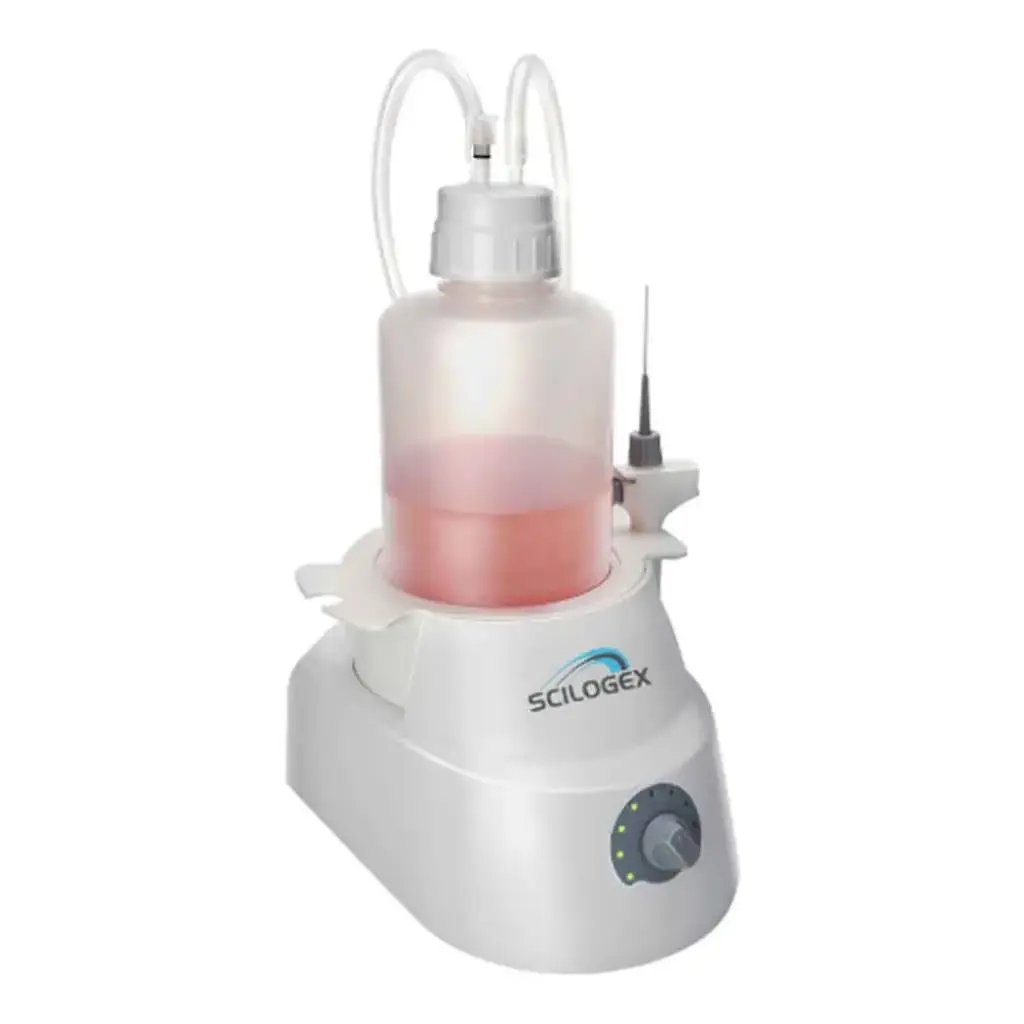
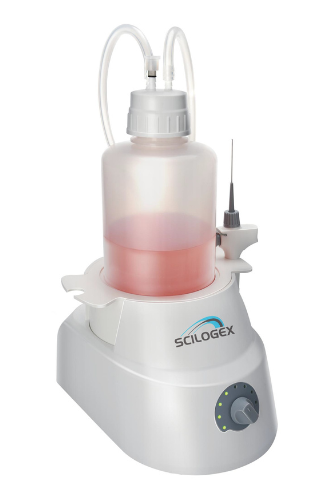
SCILOGEX SCIVac-E Vacuum Aspirator 2L Capacity
Cat. No.
762000019999
for your organization today
Scilogex SciVac-E vacuum aspirator at a glance
What is this product?
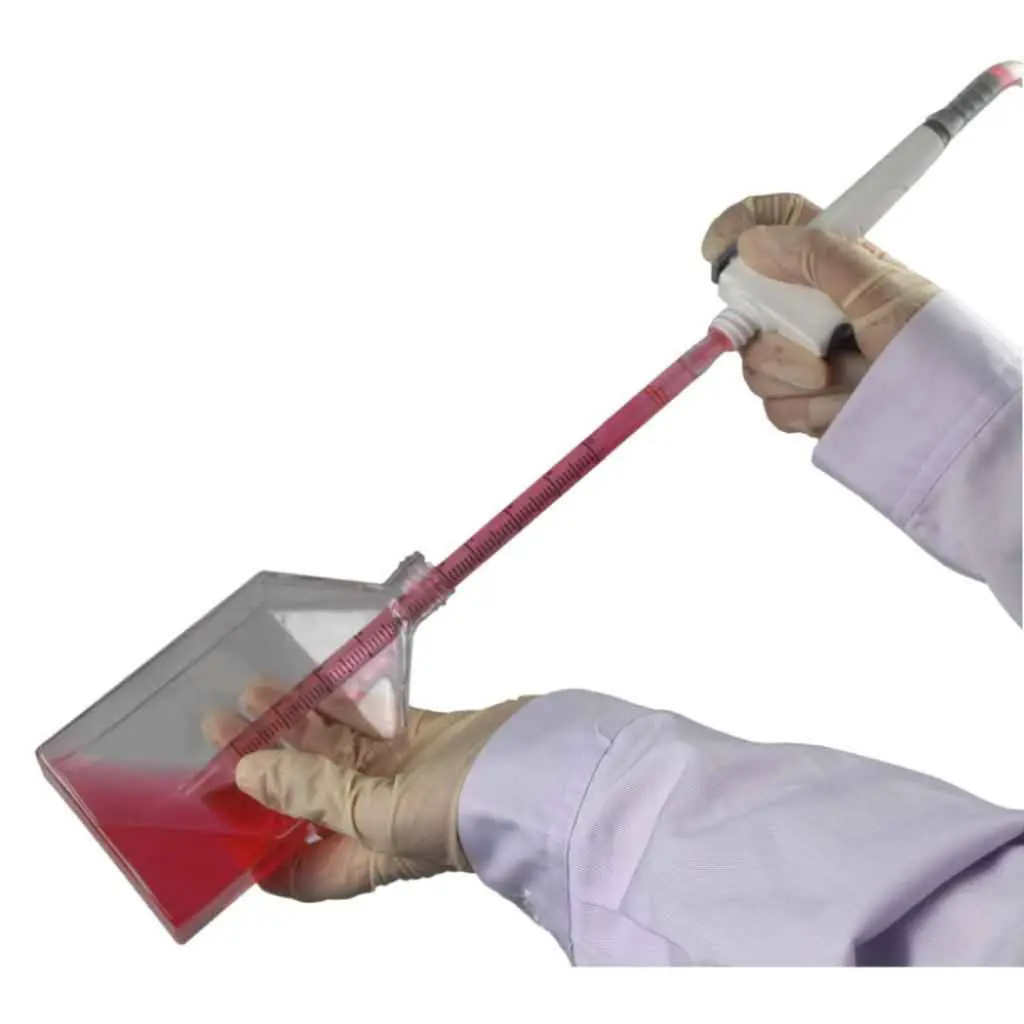
This is a laboratory vacuum aspirator - an instrument that uses suction to remove liquids from containers like cell culture flasks, multiwell plates, and tubes. Lab technicians use it to aspirate spent media, wash buffers, supernatants, and other liquids during routine procedures. The SciVac-E includes a 2L collection bottle, vacuum pump, and aspiration tubing in one portable unit.
Who is it for?
Cell culture technicians, microbiologists, and researchers who need to remove liquids from culture vessels and tubes regularly. Also for clinical labs processing samples, teaching labs demonstrating aseptic technique, and any facility that currently uses house vacuum or shared aspiration systems and wants dedicated benchtop units.
What does it do?
Creates vacuum suction to draw liquids out of containers through a handheld aspiration tip or pipette. Collected liquid goes into the 2L waste bottle for later disposal. Adjustable vacuum control lets you dial in gentle suction for delicate work or stronger suction for faster aspiration. The self-contained design means no connection to house vacuum required.
What are the benefits in your workplace?
Portable operation anywhere in your lab without relying on wall vacuum ports. Adjustable suction prevents accidentally aspirating your cells along with the media. 2L capacity handles multiple aspiration sessions before emptying. Quiet operation won't disturb hood work or conversations. Easy to clean and decontaminate between uses. Affordable pricing leaves budget for the consumables that actually drive your research.
What problems does it solve?
Dependence on departmental vacuum systems that may be shared, unreliable, or inconveniently located. Aspirating too aggressively and losing cells because suction isn't adjustable. Frequent interruptions to empty small waste containers. Noise from older or industrial-grade vacuum pumps. Overpaying for premium brand aspirators when basic functionality is all you need.
What are your next steps?
Add to your cart now, or contact us with questions about replacement tubing, aspiration tips, or autoclavable components.
Vacuum Aspirator for Responsible Waste Recovery
Don’t bring a pump to the aspirator party. Choose the right tool and allocate budget prudently.
Stop using a large, expensive vacuum pump for:
- Cell culture.
- RNA/DNA extraction.
- Microplate waste removal.
- Separation of liquids and solids .
- Biological, chemical liquid and waste recovery.
Tuck your aspirator vacuum under the desk or in the corner of a cabinet nearby and save your lab space and budget, and allocate your vacuum aspirator pumps to jobs requiring higher performance.
How does a vacuum aspirator work?
Bernoulli's principle!
Your high school science teacher might have told you about it. But the name is long gone, and you just know it works.
Your aspirator vacuum uses fluid flow to create a vacuum. When your solvent of choice is forced through a narrow tube in the aspirator, it speeds up, causing a drop in pressure.
This creates a vacuum in an adjacent chamber or port. When this vacuum port is connected to a container or system, it draws out the air or gasses, creating a vacuum inside the container.
Why do we use this in the lab?
Because it’s easy and efficient. And that’s everything we want in the lab.
We designed this vacuum aspirator system with that principle of ease and efficiency in mind.


Rage against RSI’s with your laboratory aspirator!
Your older vacuum aspirator pump uses a hand pump or a syringe.
Just like pipetting, it contributes to repetitive strain injuries and takes technicians out of the lab.
But you don’t need to spend budget on a large vacuum pump to replace it.
The SCILOGEX SCIVac-E vacuum aspirator seamlessly switches to continuous aspiration mode, wiping out another source of RSI in your lab.
Small changes can have a big impact in your lab. If you can reduce the number of days you or your staff are out every year with RSI’s, shouldn’t you do it?
Reduce RSI’s in your lab with a new cell culture vacuum aspirator
Best practices for your fluid aspirator system waste disposal
Don’t get casual about your liquid waste disposal. Here are the best practices most labs adhere to.
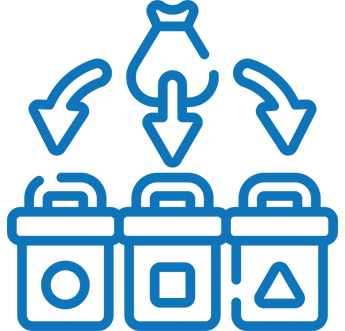
Separate your waste with containers
Organize your waste according to the different categories of liquid waste: biological, chemical, radioactive or human / animal material containing wastes. Use a separate waste container for each category.

Use the right tools to protect yourself and your colleagues
Vacuum aspirators are widely used for aspirating and collecting liquid waste before disposal.
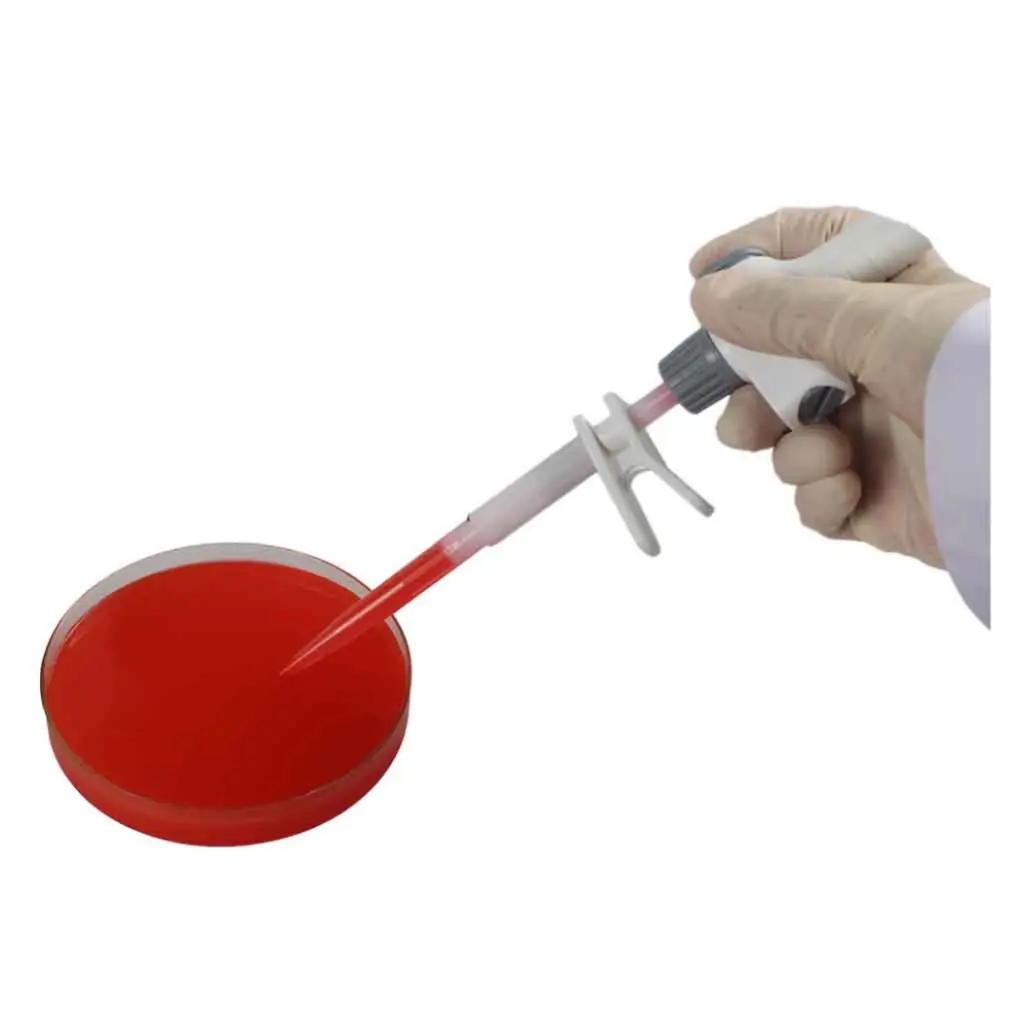
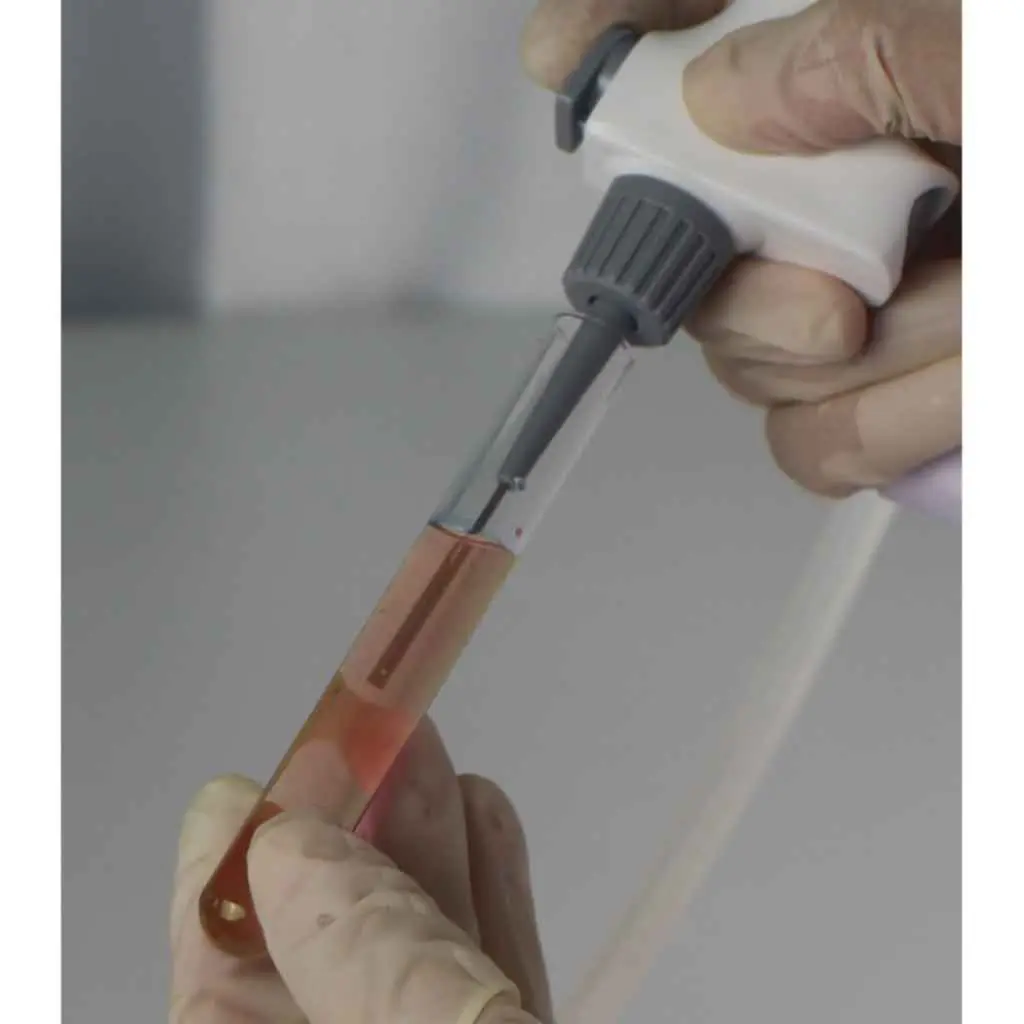
Avoid the formation of drops and aerosols by using aspiration tools that suit the situation, such as tubes, well plates, dishes, bottles, T-flasks, and more.
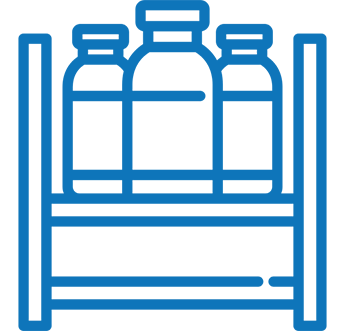
Use shatterproof collection and storage bottles
Avoid overflows, spills, and breaks!
Don’t fill waste collection bottles more than 75% of their total volume. Carry waste on a cart or in shatterproof containers.

Label everything correctly!
Don’t leave anything up to chance. Your colleagues might not know what’s in a vessel. Or they might think your vessel is their own.

Dispose of your waste regularly
Don’t let waste build up. Complete the job and dispose of waste regularly, even if you just collect small amounts.
SCIVac-E Benchtop Vacuum Aspirator
Features:
- Small and compact to fit in the cabinet, on the benchtop, or beneath the bench.
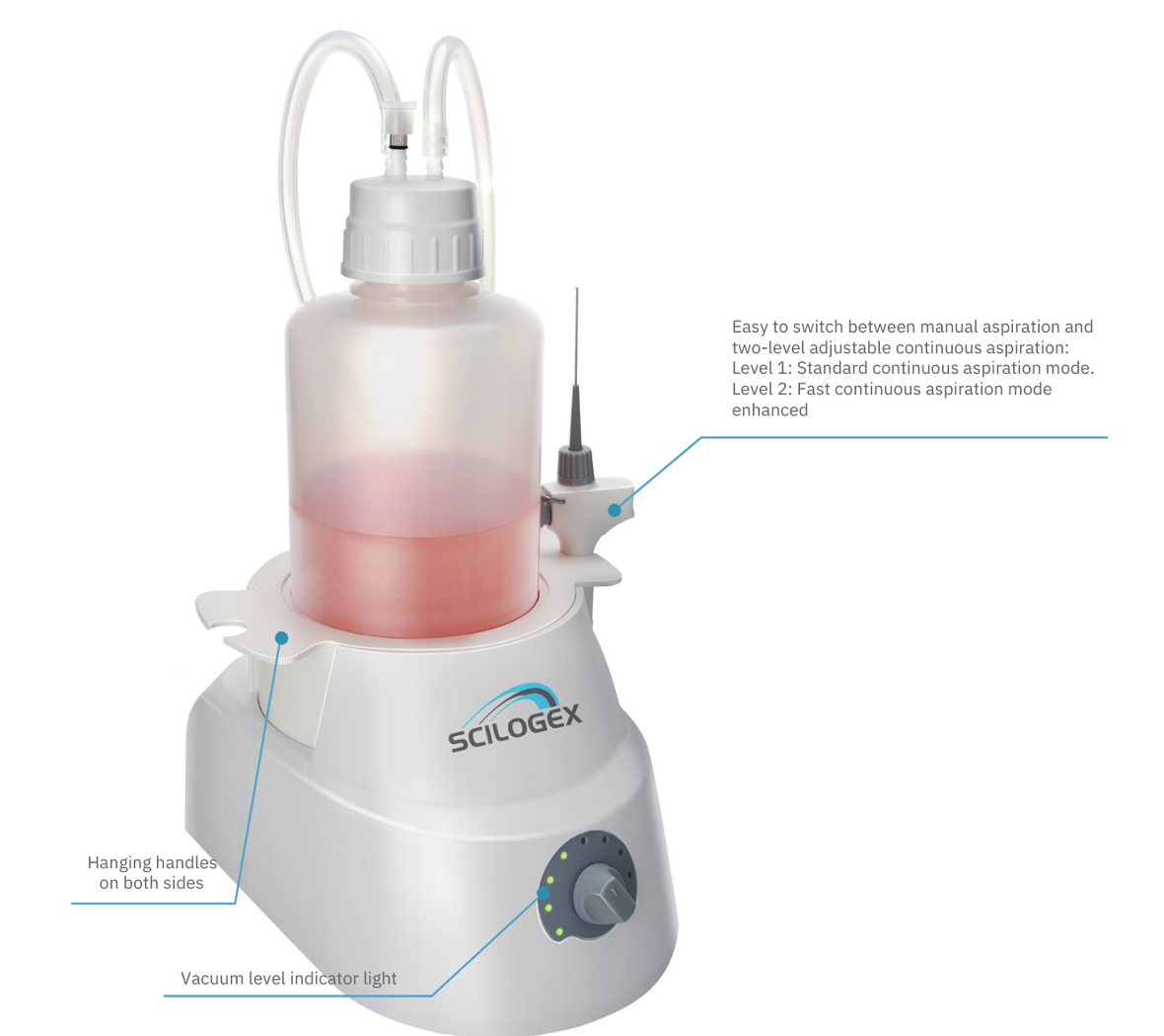
- Easy to switch between manual aspiration and continuous aspiration mode, reducing RSI (Repetitive Strain Injury) and improving efficiency.
- Collection bottle outlet with hydrophobic filter prevents aerosol and liquid contamination.
- Brushless motor for low noise and long life.
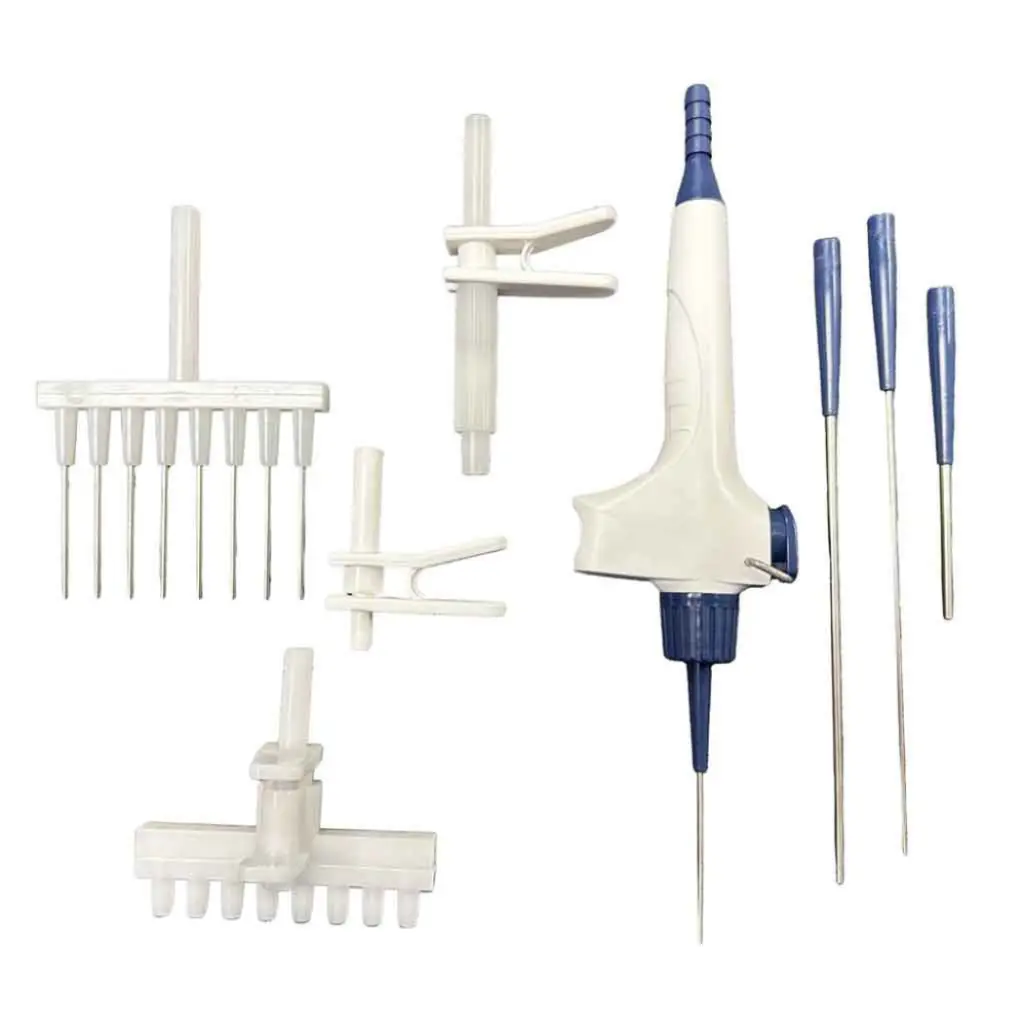
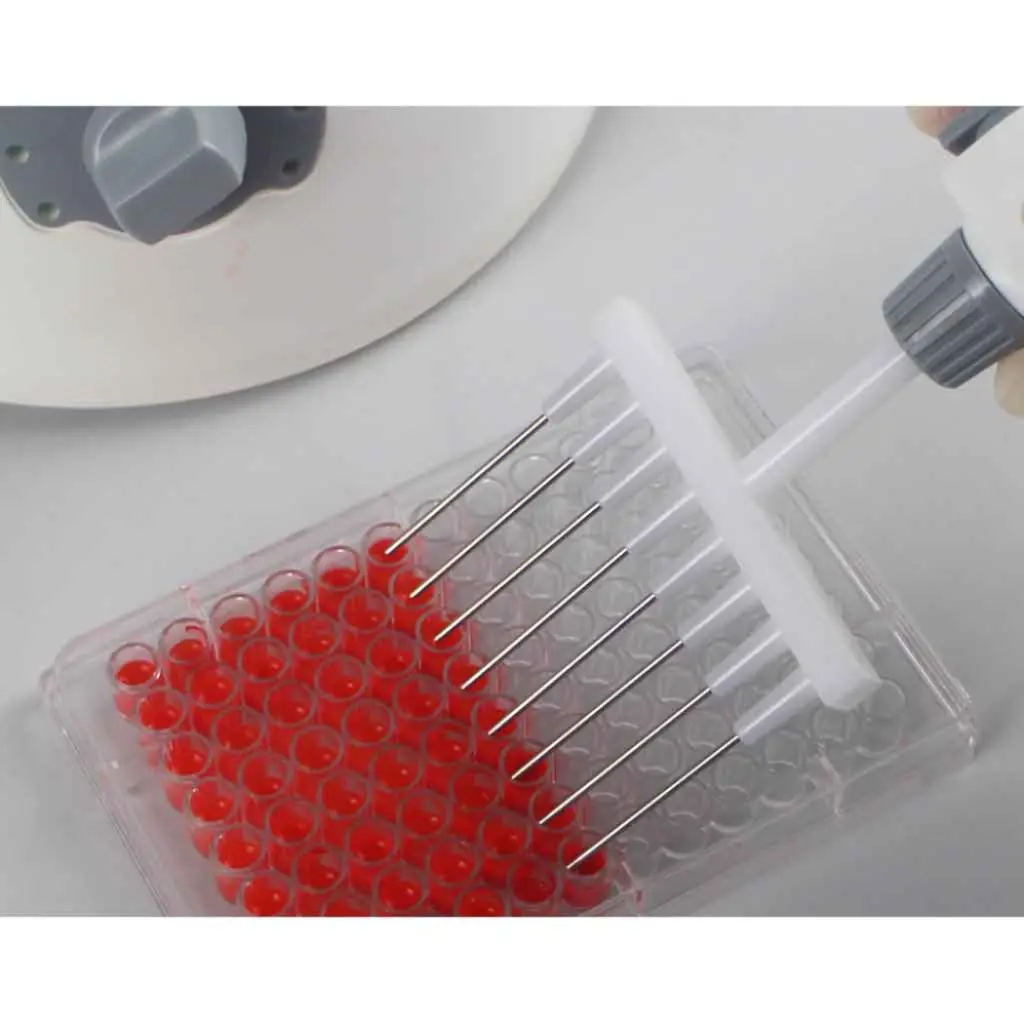
- Single and multichannel nozzles and nozzles included for use with 200uL pipette tips
- Components in contact with liquids can be autoclaved.
- Adjustable vacuum level with indicator light for multiple applications in a single lab.
- cTUVus approved UL/CSA.
- 2 YEAR WARRANTY
Get your budget-saving aspiration pump today
SCIVac-E Cell Culture Vacuum Aspirator Specifications:
Additional Resources and Information
Downloadable PDF
Vacuum aspirator frequently asked questions
Vacuum aspirator basics
A vacuum aspirator is a laboratory instrument that uses suction to remove liquids from containers. It consists of a vacuum source (pump), a collection bottle to hold the aspirated liquid, and tubing with a handheld tip to direct the suction. Lab workers use vacuum aspirators to remove spent cell culture media, wash buffers, supernatants after centrifugation, and other liquids that need to be discarded or collected during routine procedures.
The vacuum pump creates negative pressure (suction) in the collection bottle. When you place the aspiration tip into a liquid and open the line, the pressure differential draws liquid through the tubing and into the collection bottle. You control where the liquid goes by positioning the tip, and you control flow by adjusting vacuum strength or using a finger-operated valve on the handpiece.
Different purposes. A vacuum aspirator removes and discards liquid - you're throwing away spent media, washing away buffers, or clearing supernatants. A vacuum filtration system separates particles from liquid by pulling the liquid through a filter membrane - you typically want to keep either the filtered liquid or the material collected on the filter. Aspirators dispose of liquid; filtration systems separate components.
No. The Scilogex SciVac-E is a self-contained unit with its own vacuum pump. You can use it anywhere in your lab with access to a power outlet - no wall vacuum ports required. This makes it portable and independent of shared vacuum systems that may be unreliable or in inconvenient locations.
Applications and uses
The most common use is cell culture work - removing spent media from flasks and plates, aspirating wash buffers during cell processing, and clearing supernatants. Other applications include removing liquid from centrifuge tubes, clearing wells in multiwell plates for ELISA and other assays, aspirating liquid from gel staining trays, and general liquid waste removal during bench procedures.
Yes. The portable, self-contained design makes it easy to position in or near a biosafety cabinet. For work with biohazardous materials, you should use appropriate inline filters on the vacuum line and treat the collection bottle contents according to your biosafety protocols before disposal.
Yes, with proper precautions. Use an inline HEPA or hydrophobic filter to protect the pump from aerosols. Treat the collection bottle as biohazardous waste and decontaminate contents before disposal according to your institutional protocols. The collection bottle should be treated with bleach or other appropriate disinfectant for infectious materials.
Use the adjustable vacuum control to reduce suction strength. Position the aspiration tip at the edge of the vessel rather than directly over your cell layer. Tilt the flask or plate to pool liquid away from cells before aspirating. Work slowly and watch what you're doing - rushing is when accidents happen.
Equipment and operation
The unit includes the vacuum pump, 2L polypropylene collection bottle, lid with tubing connections, silicone aspiration tubing, and handpiece. Replacement tubing and aspiration tips are available separately.
The SciVac-E has an adjustable vacuum control that lets you dial suction up or down depending on your application. Lower suction for delicate cell culture work where you don't want to disturb cells; higher suction for faster aspiration of larger volumes or less sensitive applications.
The SciVac-E operates quietly enough for use in tissue culture rooms and near biosafety cabinets without disturbing your work or requiring hearing protection. It's significantly quieter than industrial vacuum pumps or older aspirator models.
Check the specific product specifications for autoclave compatibility of components. Polypropylene bottles are generally autoclavable. Silicone tubing can typically withstand autoclaving. The vacuum pump unit itself should never be autoclaved - only the collection bottle, lid, and tubing components that contact liquid.
Maintenance and cleaning
Empty and rinse the collection bottle regularly - don't let waste sit and dry inside. Flush the tubing with water or appropriate cleaning solution after use. For biohazardous work, add bleach or disinfectant to the collection bottle before aspirating, or treat contents after collection before disposal. Wipe down external surfaces as needed.
Empty before it reaches capacity - the 2L bottle handles multiple aspiration sessions, but overfilling risks liquid reaching the pump. How often depends on your usage volume. Some labs empty daily; others less frequently. Don't let liquid waste sit for extended periods, especially biohazardous materials.
Minimal maintenance for oil-free pumps. Keep the air intake clear of obstructions. Use inline filters when aspirating anything that could damage the pump (hazardous materials, particulates). Check tubing connections periodically for leaks. The pump itself typically requires no regular service.
Don't overfill the collection bottle - empty it before it reaches capacity. Use a hydrophobic filter in the vacuum line between the bottle and pump. This filter blocks liquid and aerosols from reaching the pump if the bottle overfills. Position the bottle upright during use so liquid collects at the bottom away from the outlet port.
Purchasing questions
The Scilogex SciVac-E is priced affordably compared to premium brand aspirators with similar functionality. Contact us for current pricing or check the product page. The self-contained design eliminates the need for separate vacuum pump purchases that some systems require.
Replacement aspiration tips and tubing are the main consumables. Inline filters for biohazardous work. The collection bottle is reusable. Consumable costs are minimal compared to reagent and media expenses in most labs.
Depends on your lab layout and usage patterns. Dedicated benchtop aspirators give you independence from shared systems, adjustable suction control, and portability. House vacuum works if you have conveniently located ports, don't mind sharing, and don't need adjustable suction. Many cell culture facilities prefer dedicated aspirators at each hood for convenience and contamination control.
View our 2027 Product Catalog
Get our complete and latest product portfolio for free.
Earn Rewards
Enjoy exclusive deals & discounts on our lab equipment & supplies.
Download Scilogex Literature
Find a collection of product manuals and brochure PDFs available for download.