Skip to Content

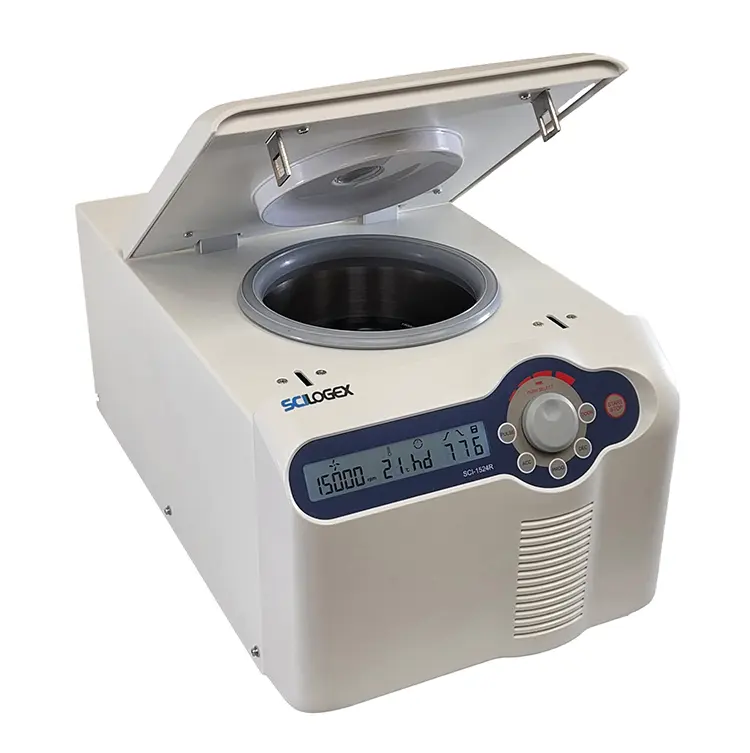
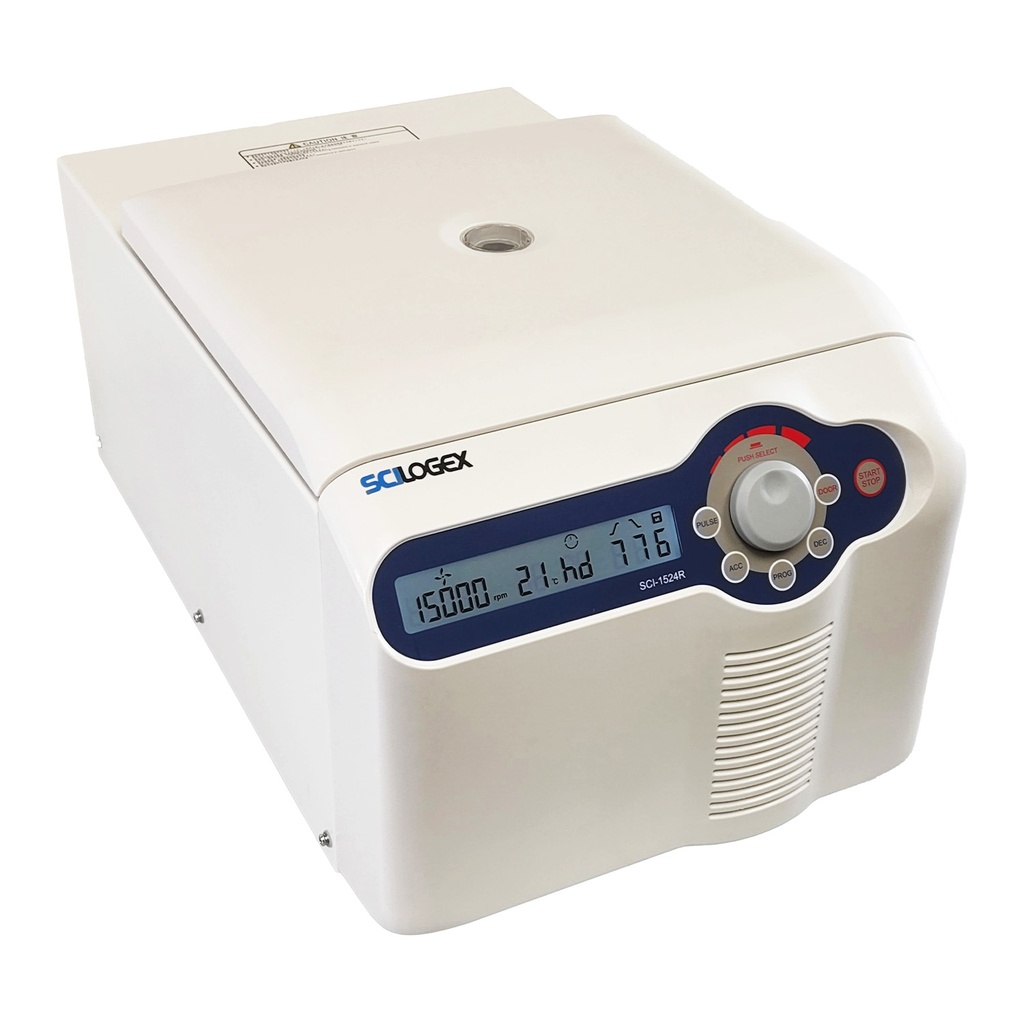
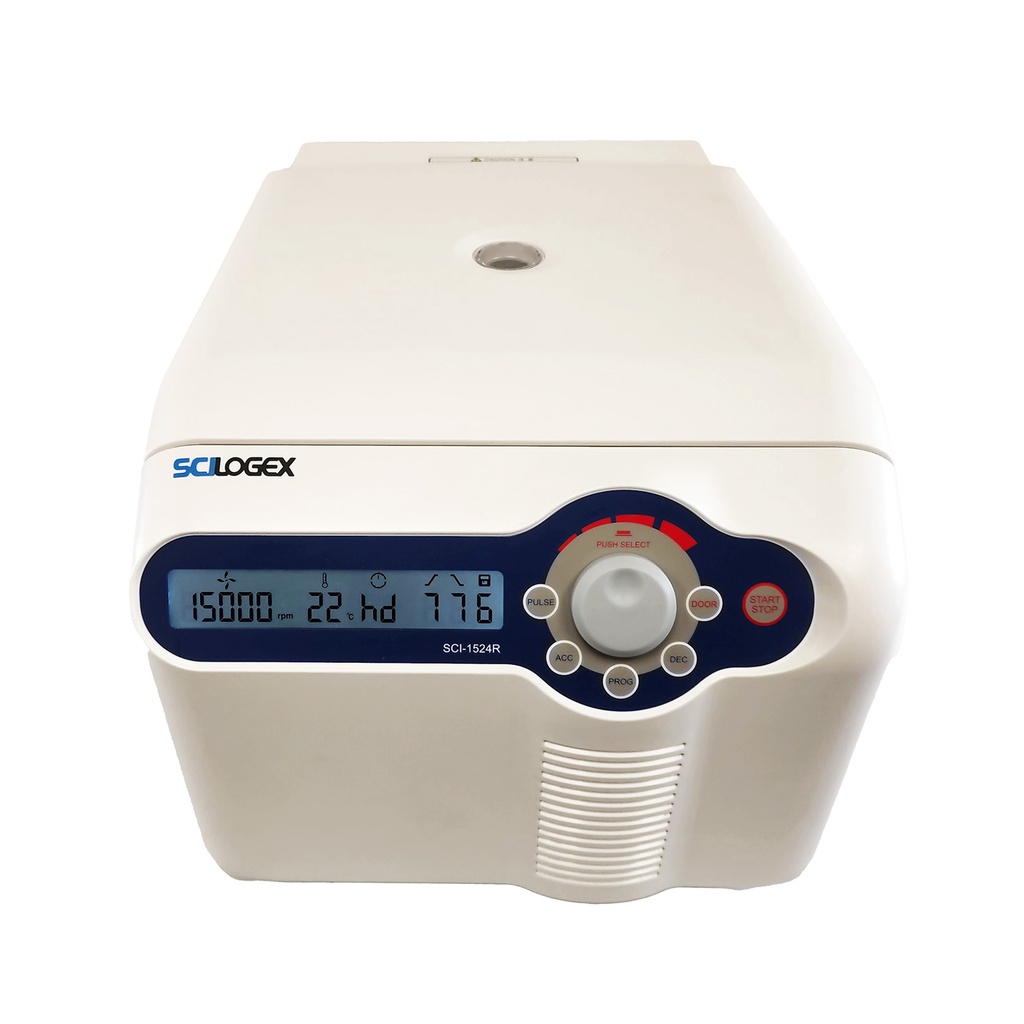
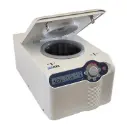
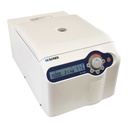
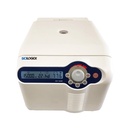
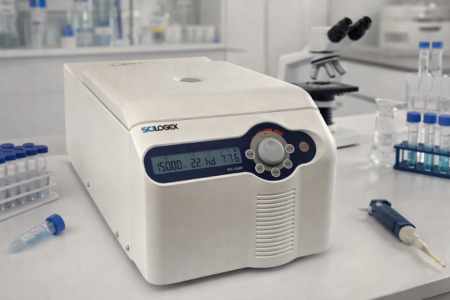
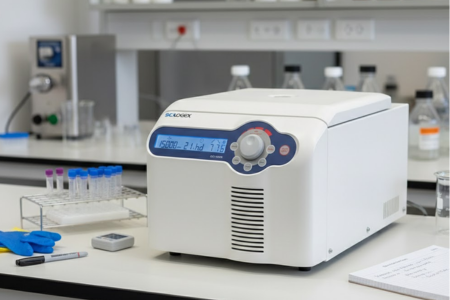
SCILOGEX SCI-1524R High Speed Refrigerated Micro-Centrifuge with 24 place 1.5/2.0mL rotor, 100-15000rpm

Cat. No.
901312112109
https://www.scilogex.com/web/image/product.template/1204/image_1920?unique=110cdbb
SCILOGEX SCI-1524R High Speed Refrigerated Micro-Centrifuge with 24 x 1.5/2.0ml rotor, 110V, 50/60Hz, US Plug
ORDER NOW AND GET A FREE

Mini-Centrifuge when you purchase the Scilogex SCI-1524R High Speed Refrigerated Micro-Centrifuge.

5,400.00 5,400.00 In stock
In Stock 2 Year Warranty

0.00

Currently Out-of-Stock

This combination does not exist.

In Stock 2 Year Warranty


For more information please call +1 (860) 436-9221 or email us at [email protected]

Refrigerated microcentrifuge

 Your samples need consistent cooling and high-speed separation - not a premium brand markup. The Scilogex SCI-1524R is a 15,000 RPM refrigerated microcentrifuge with -20°C to 40°C temperature control for $5,400.

15,000 RPM with 21,380 x g maximum RCF 

-20°C to 40°C temperature range 

Reaches 2°C in just 7 minutes 

24-place rotor included at $5,400 

Keep more budget for reagents and consumables that actually drive your research 

 Protect temperature-sensitive samples without paying premium brand prices

 Spend less time waiting and more time on actual science

 2-year warranty means predictable costs, not surprise repair bills

Scilogex SCI-1524R refrigerated microcentrifuge at a glance

   What is this product?

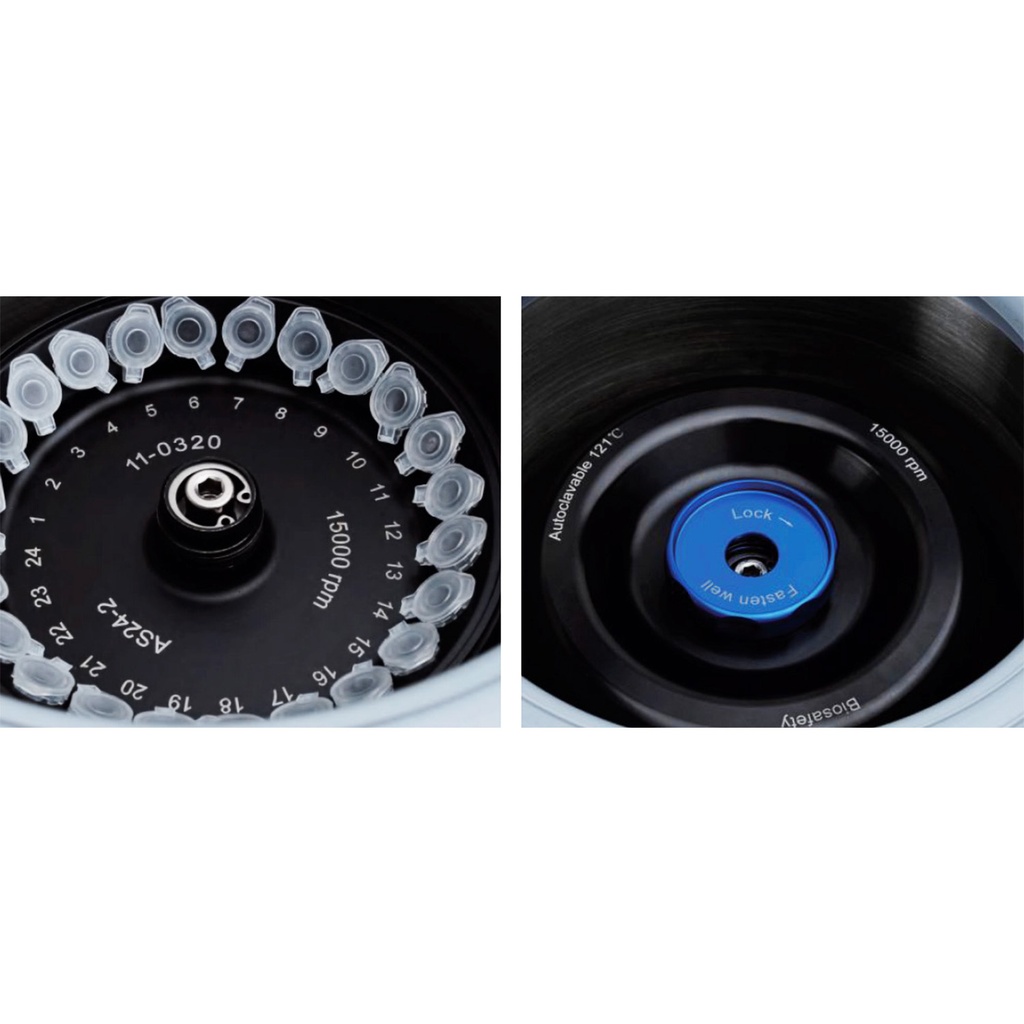
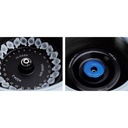
The Scilogex SCI-1524R is a high-speed refrigerated microcentrifuge capable of 15,000 RPM (21,380 x g) with active cooling from -20°C to 40°C. Includes a 24-place rotor for 1.5/2.0mL tubes, with optional rotors for PCR strips, 0.5mL tubes, and 5mL tubes.

   Who is it for?

Principal investigators, lab managers, and researchers in molecular biology, biochemistry, clinical diagnostics, and cell biology who need reliable refrigerated centrifugation without premium brand pricing. Also suitable for new lab builds where procurement needs to stretch equipment budgets across multiple benchtop instruments.

   What does it do?

Spins samples at speeds up to 15,000 RPM while maintaining temperatures as low as -20°C. Used for pelleting cells and bacteria, separating subcellular organelles, isolating DNA/RNA/proteins, processing clinical samples, and any application where temperature-sensitive samples need high-speed centrifugation.

   What are the benefits in your workplace?

Reliable temperature control protects heat-sensitive samples. 7-minute cooling to 2°C means less waiting. Brushless motor requires no maintenance. Bio-safe rotor design prevents sample overflow contamination. 2-year warranty provides budget predictability. $5,400 price point leaves budget for reagents and consumables that actually determine your results.

   What problems does it solve?

Overpaying for refrigerated centrifuge features you don't use. Waiting for slow cooling systems to reach temperature. Worrying about sample degradation during extended runs. Justifying equipment purchases when your PI asks why you didn't choose the cheaper option. Budget pressure that forces you to choose between good equipment and adequate reagent supply.

   What are your next steps?

Add to your cart right now or contact us with questions about volume pricing if buying multiple units.

Whether you're pelleting cells, isolating nucleic acids, or separating proteins, your refrigerated centrifuge needs to deliver consistent speed, reliable cooling, and sample protection. The SCI-1524R does exactly that - without the premium pricing that forces you to justify every equipment purchase to your department chair or procurement office.


Models suitable for…

water quality testing

Water quality testi​​ng
Environmental monitoring
Pharmaceutical & biotech research
Food and beverage production

 Why the Scilogex SCI-1524R refrigerated microcentrifuge makes sense for most labs

 This is for people who lean into the practical

 Temperature-sensitive samples don't care what brand name is on your centrifuge. They care whether the chamber stays cold during your run. The SCI-1524R reaches 2°C within 7 minutes - even at maximum speed and full rotor capacity - and maintains temperature throughout extended protocols.

Why choose this refrigerated centrifuge for your lab?​

  • Fast pre-cooling actually matters. The 7-minute cooling time means you're not standing around waiting for your centrifuge to reach temperature before you can start your protocol. Pre-cool while you're finishing sample prep.
  • Wide temperature range covers your applications. -20°C to 40°C handles everything from standard pelleting to temperature-sensitive enzyme work to protocols that need above-ambient temperatures.
  • Bio-safe rotor design prevents contamination disasters. The anti-sample overflow feature contains accidental spills within the rotor, so a single broken tube doesn't contaminate your entire chamber with potentially hazardous material.
  • Brushless motor means no maintenance surprises. No brush replacements, no scheduled service calls, no unexpected downtime when you're in the middle of a critical experiment.


Why do your colleagues choose Scilogex over premium refrigerated centrifuge brands?

Lab technicians and researchers

Identical centrifugation results

The physics of centrifugation doesn't change based on what brand name is on the housing. 15,000 RPM at -20°C produces the same pellet whether you're using a $5,400 Scilogex or a $12,000 premium brand. Researchers switching from expensive centrifuges report no difference in their results - just more money left in the equipment budget for other needs. 

Equipment that just works

Nothing derails a research day like equipment failures during critical experiments. The SCI-1524R runs reliably, maintains temperature consistently, and doesn't require the constant attention that temperamental premium equipment sometimes demands. When your centrifuge works predictably, you can focus on your science instead of troubleshooting equipment. 

Principal investigators and lab managers

Budget flexibility

PIs managing lab budgets appreciate equipment that delivers performance without consuming the entire equipment allocation. The difference between the Scilogex SCI-1524R and premium alternatives often covers several months of reagent supply, a set of micropipettes, or other equipment your lab actually needs. Smart purchasing means better-equipped labs overall. 

Predictable costs

The 2-year warranty and brushless motor design eliminate the surprise repair bills and service contracts that premium equipment often requires. You know what you're paying upfront, and you're not budgeting for annual maintenance agreements on top of the purchase price. 

Defensible purchasing decisions

When department chairs or grants administrators question equipment purchases, it's easier to justify reliable equipment at reasonable prices than premium brands with features you'll never use. The SCI-1524R gives you the centrifugation specs you need at a price that makes sense. 

Lab directors and department heads

Scaling equipment across multiple labs

Directors overseeing multiple research groups appreciate equipment that can be deployed broadly without consuming entire capital equipment budgets. Outfitting three labs with Scilogex SCI-1524R centrifuges costs roughly the same as one premium brand unit - that's meaningful when you're trying to support an expanding research program. 

Grant budget optimization

Every dollar saved on equipment is a dollar available for personnel, consumables, or additional experiments. Equipment that delivers identical results at lower cost directly improves the productivity of research funding. Directors who understand this math choose accordingly. 

Reduced administrative burden

Simpler purchasing, no service contracts to manage, and reliable operation means less time dealing with equipment issues and more time focusing on research direction and program development.


Protect your temperature-sensitive samples

Heat buildup during high-speed centrifugation degrades proteins, denatures enzymes, and compromises nucleic acid integrity. The Scilogex SCI-1524R's active refrigeration system maintains your set temperature throughout the run - not just at the start. 

Adapt to changing needs

Pre-cool the chamber before loading samples to ensure temperature-sensitive work starts cold and stays cold.

Maintain consistent temperature even during extended runs where friction would otherwise heat your samples.

 Lock the lid after runs to preserve chamber temperature while you process samples.​


This is a famously reliable refrigerated microcentrifuge

Equipment failures and unexpected maintenance derail experiments and blow deadlines. The Scilogex SCI-1524R is built for reliable daily operation with features that minimize downtime.  

What reliable operation means practically

 Brushless DC motor

No brushes to wear out, no scheduled replacements, no service calls interrupting your work.

 Automatic safety systems

Door interlock, over-speed detection, over-temperature detection, and automatic internal diagnosis prevent accidents and catch problems before they become expensive.

 Quiet operation
 At ≤54dB, you can work in the same room without needing hearing protection or relocating to escape the noise.

A practical approach to benchtop centrifugation 

LCD display shows everything you need

speed, RCF, temperature, and time without navigating through menus. 

Sound alert

notifies you when the run is complete so you can focus on other work instead of watching the timer. 

 Pulse function

 for quick spins when you just need to bring samples to the bottom of the tube.


Where is the Scilogex SCI-1524R refrigerated microcentrifuge being used today? 

Molecular biology labs

High-speed refrigerated centrifugation is essential for nucleic acid isolation. Researchers use the SCI-1524R to pellet cells before DNA/RNA extraction, separate cleared lysates from cellular debris, precipitate nucleic acids with alcohol, and process PCR cleanup reactions. The -20°C capability protects RNA samples from degradation during processing.


Biochemistry and protein research

Protein work demands cold processing to prevent degradation and maintain activity. The SCI-1524R supports cell lysis and lysate clarification, protein precipitation protocols, subcellular fractionation procedures, and enzyme activity assays requiring cold conditions. Temperature control throughout the run preserves sample integrity that matters for downstream analysis.


Clinical and diagnostic laboratories

Clinical samples require consistent processing for reliable results. Labs use this refrigerated centrifuge for serum and plasma preparation, processing blood samples for analysis, preparing samples for clinical chemistry panels, and handling diagnostic specimens where temperature control matters. The bio-safe rotor design contains potential spills when working with patient samples.


Cell biology and tissue culture

Cell culture work often requires refrigerated centrifugation for harvesting suspension cells, washing cell pellets during media changes, processing primary cell isolations, and preparing cells for cryopreservation. The 24-place rotor processes multiple samples simultaneously without temperature compromise.


Academic research and core facilities

Universities and research cores need equipment that handles diverse applications from multiple users. The SCI-1524R serves graduate student research projects, core facility shared equipment pools, teaching laboratory demonstrations, and multi-investigator research support. The straightforward operation means less training time and fewer user errors.


Quality control and analytical labs

QC environments require consistent sample processing for valid results. Applications include sample preparation for analytical testing, processing stability study samples, supporting method development work, and routine sample handling where temperature control matters. Reliable performance supports validated protocols.


How does this compare to Eppendorf centrifuge models?  

 When evaluating refrigerated microcentrifuge options, labs often default to Eppendorf based on brand recognition and the assumption that premium pricing means premium performance. Here's an honest comparison.

What we're not trying to be

The Scilogex SCI-1524R is not designed to compete with Eppendorf's highest-end refrigerated centrifuge models with advanced programming, extensive rotor libraries, and features for specialized applications. If you need programmable acceleration profiles, extensive data logging, or specific specialty rotors that only Eppendorf makes, buy the Eppendorf.

What we actually deliver

For the core function of a refrigerated microcentrifuge - spinning samples at high speed while maintaining cold temperature - the Scilogex SCI-1524R delivers equivalent results. 

Specification Scilogex SCI-1524R Premium brands
Maximum speed
15,000 RPM
14,000-15,000 RPM
Maximum RCF
21,380 x g
20,000-21,000 x g
Temperature range
-20°C to 40°C
-20°C to 40°C
Cooling time
7 minutes to 2°C
7-10 minutes typical
Noise levels
≤54 dB
50-56 dB typical
Standard rotor capacity
24 x 1.5/2.0mL
24-30 x 1.5/2.0mL
Motor type
Brushless DC
Brushless DC
Price range
$5,400
$10,000-15,000+

The math is straightforward

Your DNA pellet doesn't know whether it was spun in a $5,400 centrifuge or a $12,000 centrifuge. Your protein precipitation works the same either way. Your cells pellet at the same g-force regardless of brand.

The difference shows up in your budget, not in your results.

   When the Eppendorf centrifuge actually makes sense


You need specific rotors that only Eppendorf manufactures


 Your protocols are validated on Eppendorf equipment and revalidation costs exceed equipment savings


   You have institutional purchasing agreements that are impossible to get around


You need features like advanced programming, network connectivity, or specialized data logging 

For most routine refrigerated microcentrifuge applications, you're paying for the name, not for better centrifugation.

See the SCI-1524R specifications


 How do you choose the right refrigerated microcentrifuge?

1.  Speed and RCF requirements
Match your application needs

Different protocols require different g-forces. Cell pelleting typically needs 300-500 x g, bacterial pelleting requires 3,000-5,000 x g, and nucleic acid precipitation may need 10,000-20,000 x g. The Scilogex SCI-1524R's 21,380 x g maximum handles virtually all microcentrifuge applications.


Consider your typical use

 If you rarely exceed 10,000 x g, you may not need the highest-speed options - but having headroom for occasional high-speed applications provides flexibility.

2.  Temperature range and cooling performance
Evaluate your cold requirements

Standard refrigerated work typically needs 4°C capability, but some protocols require colder temperatures. The Scilogex SCI-1524R's -20°C minimum handles even aggressive cold requirements. 

Cooling speed matters

Slow-cooling centrifuges waste time during pre-cooling and may allow sample warming during loading. Fast cooling to operating temperature improves workflow efficiency.

3.  Rotor capacity and compatibility
Standard tube sizes

The included 24-place rotor handles the most common 1.5mL and 2.0mL microcentrifuge tubes. Optional rotors accommodate 0.2mL tubes, 0.5mL tubes, 5mL tubes, and PCR strip tubes.


Consider your throughput

If you regularly process large batches, rotor capacity affects how many runs you need. Balance capacity against your actual sample volumes.

4.  Footprint and power requirements
Benchtop space

At 338 x 580 x 324mm, the Scilogex SCI-1524R fits standard benchtops without consuming excessive space. Measure your available location before purchasing.


Electrical requirements

CThe unit requires standard 110V power (or 220V depending on model) and draws 400W during operation.


What determines refrigerated microcentrifuge price?

When evaluating refrigerated centrifuge pricing, understanding what drives cost helps identify where to spend and where to save.

Speed and RCF capability

Higher maximum speeds and g-forces require more powerful motors and stronger construction to handle the stresses involved. The SCI-1524R's 15,000 RPM/21,380 x g capability sits at the high end of microcentrifuge performance, comparable to premium brands. 

Cooling system performance

Faster cooling and lower minimum temperatures require more powerful refrigeration systems. The SCI-1524R's 7-minute cooling to 2°C and -20°C minimum temperature require robust cooling that adds manufacturing cost - but deliver the performance your samples need.

Rotor design and materials

Bio-safe rotor construction with containment features and autoclavable aluminum alloy costs more than basic rotors. The included rotor's sample overflow protection and autoclavability represent meaningful value. 

Motor and drive system

Brushless DC motors cost more than brushed motors upfront but eliminate ongoing brush replacement costs and service requirements. This is an area where higher initial cost reduces total cost of ownership. 

Safety and control systems

Door interlocks, over-speed detection, over-temperature protection, and automatic diagnostics add complexity and cost but protect both users and samples. These are features worth paying for.

Brand premium and marketing

Premium brands spend heavily on marketing, sales infrastructure, and brand positioning - costs that get passed to buyers without improving centrifugation performance. This is where Scilogex pricing differs most from premium competition.

Warranty and support

Longer warranties require manufacturers to build more reliable equipment. The SCI-1524R's 2-year warranty reflects confidence in the product's reliability. 


Scilogex SCI-1524R specifications

Feature Specification
Maximum speed 15,000 RPM (200-15,000 RPM adjustable in 10 RPM increments)
Maximum RCF 21,380 x g (adjustable in 10 x g increments)
Speed accuracy ±20rpm
Temperature Range -20°C to 40°C
Cooling performance 2°C reached in 7 minutes at maximum speed/capacity
Included rotor 24-place for 1.5/2.0mL tubes
Optional rotors 12 x 5mL, 36 x 0.5mL, 4 x 8-tube PCR strips
Run Time 30 seconds to 99 minutes, or continuous
Motor Brushless DC (maintenance-free)
Acceleration/deceleration 25 seconds up / 25 seconds down
Noise level ≤54 dB
Safety features Door interlock, over-speed detection, over-temperature detection, automatic internal diagnosis
Display Large LCD with speed/RCF, temperature, time
Additional features Speed/RCF switch, pulse function, sound alert, lid lock
Power 110V or 220V, 50/60Hz, 400W
Dimensions 338 x 580 x 324mm (W x D x H)
Weight 30 kg
Certifications CE, cTUVus, FCC, MCA (IEC/EN61010-2-20),

EN61010-2-101:2002 (IVD)
Refrigerant CFC-free
Warranty 2 years
Price $5,400

Refrigerated microcentrifuge frequently asked questions

Product and purchasing questions

The centrifuge comes with a 24-place rotor for 1.5/2.0mL tubes, power cord, and user manual. Additional rotors for PCR strips, 0.5mL tubes, and 5mL tubes are available separately. Currently includes a free Ezee Mini-Centrifuge with purchase.

The Scilogex SCI-1524R is available in 110V (US) and 220V configurations. Make sure to select the correct voltage for your facility when ordering.

The Scilogex SCI-1524R comes with a 2-year warranty covering manufacturing defects and component failures under normal use conditions.

Yes. Optional adapters are available for 0.2mL and 0.5mL tubes in the standard rotor. Separate rotors are also available for specific tube sizes if you primarily work with those formats.

The SCI-1524R is priced at $5,400, which is roughly 50-60% less than comparable refrigerated microcentrifuge models from premium brands with similar specifications (15,000 RPM, -20°C capability, 24-place rotor).

Technical and application questions

The Scilogex SCI-1524R reaches 2°C within 7 minutes from room temperature, even at maximum speed and full rotor capacity. Pre-cooling before loading samples is recommended for temperature-sensitive work.

Yes. The temperature range extends from -20°C to 40°C, allowing both refrigerated and elevated temperature protocols.

Yes. The aluminum alloy bio-containment rotor is autoclavable for decontamination after working with hazardous materials.

The bio-safe rotor design with anti-sample overflow features contains broken tube contents within the rotor, preventing contamination of the centrifuge chamber. After a tube breakage, stop the run, carefully remove the rotor, and clean/autoclave as appropriate for your sample type.

The Scilogex SCI-1524R operates at ≤54 dB, which is comparable to normal conversation. You can work comfortably in the same room during operation.

Yes. An optional 4 x 8-tube PCR strip rotor is available for PCR applications.

Comparison questions 

Non-refrigerated microcentrifuges lack active cooling, so heat generated during high-speed operation can warm your samples - problematic for temperature-sensitive proteins, enzymes, and nucleic acids. Refrigerated models maintain cold temperatures throughout the run, protecting sample integrity.

The Scilogex SCI-1524R matches Eppendorf refrigerated microcentrifuge models on core specifications (speed, g-force, temperature range, cooling performance) at roughly half the price. Premium brands offer additional features like advanced programming and larger rotor libraries - features most labs don't use. For routine refrigerated microcentrifuge applications, the results are identical.

The Scilogex SCI-1524R is affordable, not cheap. There's an important difference. Cheap equipment cuts corners on components and construction, leading to poor performance and short service life. Affordable equipment delivers reliable performance at reasonable prices by eliminating premium brand markups and unnecessary features. The Scilogex SCI-1524R uses the same quality components (brushless motor, robust cooling system, bio-safe rotors) as premium brands - you're just not paying for the brand name.

If your protocols specify speed (RPM), g-force (RCF), temperature, and time - and the Scilogex SCI-1524R meets those specifications - your protocols will work identically. Centrifugation is physics, and the physics doesn't change based on equipment brand.

Refrigerated microcentrifuge basics 

A refrigerated microcentrifuge is a compact, high-speed centrifuge with built-in cooling that spins small-volume samples (typically 0.2mL to 2.0mL tubes) at speeds up to 15,000-20,000 RPM while maintaining cold temperatures. The refrigeration system actively cools the rotor chamber to temperatures as low as -20°C, protecting temperature-sensitive biological samples like proteins, enzymes, and nucleic acids from heat degradation during high-speed centrifugation.

The main difference is sample volume and rotor size. A refrigerated microcentrifuge handles small tubes (microcentrifuge tubes, typically 0.2mL to 2.0mL) and operates at very high speeds (up to 15,000-20,000 RPM). A standard refrigerated centrifuge typically handles larger tubes (15mL, 50mL conical tubes, or larger) at lower maximum speeds. Both have active cooling systems, but microcentrifuges are designed for small-volume, high-speed applications common in molecular biology and biochemistry.

Microcentrifuges are used for any application requiring separation of small-volume samples by centrifugal force. Common uses include pelleting cells and bacteria, separating serum or plasma from blood, precipitating proteins or nucleic acids, clearing cell lysates, washing and pelleting beads or resins, quick spins to collect liquid at the bottom of tubes, and processing PCR reactions. The small rotor and high speeds make them ideal for molecular biology, biochemistry, and clinical laboratory work.

High-speed centrifugation generates heat through air friction and motor operation. This heat can denature proteins, degrade enzymes, damage RNA, and compromise temperature-sensitive samples. Refrigeration maintains cold temperatures (typically 4°C or lower) throughout the run, protecting sample integrity. For any work with proteins, enzymes, nucleic acids, or live cells, refrigerated centrifugation is often essential to preserve biological activity and prevent sample degradation.

RPM (revolutions per minute) measures how fast the rotor spins. RCF (relative centrifugal force), expressed as "x g," measures the actual force applied to your samples. RCF depends on both RPM and rotor radius - the same RPM produces different g-forces in different rotors. Scientific protocols typically specify RCF because it's the actual force that matters for separation, regardless of which centrifuge you use. The Scilogex SCI-1524R displays both RPM and RCF and lets you set either value directly.

Maximum RCF is the highest centrifugal force the centrifuge can generate, measured in multiples of gravitational force (x g). Higher RCF means faster and more complete separation of particles by density. The Scilogex SCI-1524R's maximum RCF of 21,380 x g is sufficient for most microcentrifuge applications, including pelleting bacteria, precipitating nucleic acids, and separating subcellular organelles. Some specialized applications (like pelleting viruses or very small particles) may require ultracentrifuges with much higher RCF.

The appropriate temperature depends on your sample type and application. General guidelines: proteins and enzymes typically require 4°C to prevent denaturation; RNA work often uses 4°C or colder to minimize RNase activity; DNA is more stable and can tolerate room temperature for short spins; cell pelleting usually uses 4°C to maintain viability; some enzymatic reactions may require specific temperatures above or below ambient. Always follow your specific protocol requirements.

Centrifugation speed depends on what you're trying to pellet. General ranges: whole cells typically pellet at 300-500 x g; bacteria require 3,000-5,000 x g; mitochondria and large organelles need 10,000-15,000 x g; precipitated proteins and nucleic acids typically use 10,000-20,000 x g; microsomes and small vesicles may need higher forces. Always follow your protocol's specifications, as excessive speed can damage cells or compact pellets too tightly for resuspension.

Fixed-angle rotors hold tubes at a constant angle (typically 45°) during centrifugation, causing particles to pellet against the tube wall and then slide to the bottom. They're standard for microcentrifuges and work well for most pelleting applications. Swinging-bucket rotors allow tubes to swing outward during spinning, creating pellets at the very bottom of the tube. Swinging buckets are better for density gradient separations but are less common in microcentrifuges. The Scilogex SCI-1524R uses fixed-angle rotors.

Yes, with appropriate precautions. The Scilogex SCI-1524R features bio-safe rotor design with anti-sample overflow containment to prevent aerosol release if a tube breaks. For BSL-2 or higher materials, use sealed rotor lids or aerosol-tight caps on individual tubes. The rotor is autoclavable for decontamination after working with biohazardous materials. Always follow your institution's biosafety protocols for centrifugation of infectious agents.

Maintenance and operation questions 

Minimal maintenance. The brushless motor requires no service. Regular cleaning of the rotor and chamber, periodic inspection of the door gasket, and ensuring proper ventilation around the unit are the main requirements.

Remove the rotor and wipe down the chamber with appropriate cleaning solution for your sample type. The rotor can be autoclaved after contamination with hazardous materials. Avoid harsh chemicals that could damage the chamber lining.

The Scilogex SCI-1524R is certified CE, cTUVus (for UL and CSA), FCC, and MCA (IEC/EN61010-2-20). It also meets EN61010-2-101:2002 requirements for in vitro diagnostic (IVD) medical equipment.

The automatic internal diagnosis system monitors for common issues. Consult the user manual for specific error codes. Common issues include door not fully closed, rotor not properly seated, or temperature sensor issues. Contact Scilogex support if problems persist.


Comes with a 24 place rotor, 1.5/2.0mL tubes. Optional adapters for 0.2mL and 0.5mL tubes

Comparable to Globe GCM-R-24

Additional Resources and Information

Downloadable PDFs


SCILOGEX SCI-1524R Manual​


SCILOGEX SCI-1524R Brochure


Refrigerated microcentrifuge frequently asked questions

Product and purchasing questions

The centrifuge comes with a 24-place rotor for 1.5/2.0mL tubes, power cord, and user manual. Additional rotors for PCR strips, 0.5mL tubes, and 5mL tubes are available separately. Currently includes a free Ezee Mini-Centrifuge with purchase.

The Scilogex SCI-1524R is available in 110V (US) and 220V configurations. Make sure to select the correct voltage for your facility when ordering.

The Scilogex SCI-1524R comes with a 2-year warranty covering manufacturing defects and component failures under normal use conditions.

Yes. Optional adapters are available for 0.2mL and 0.5mL tubes in the standard rotor. Separate rotors are also available for specific tube sizes if you primarily work with those formats.

The SCI-1524R is priced at $5,400, which is roughly 50-60% less than comparable refrigerated microcentrifuge models from premium brands with similar specifications (15,000 RPM, -20°C capability, 24-place rotor).

Technical and application questions

The Scilogex SCI-1524R reaches 2°C within 7 minutes from room temperature, even at maximum speed and full rotor capacity. Pre-cooling before loading samples is recommended for temperature-sensitive work.  

Yes. The temperature range extends from -20°C to 40°C, allowing both refrigerated and elevated temperature protocols.  

Yes. The aluminum alloy bio-containment rotor is autoclavable for decontamination after working with hazardous materials.  

The bio-safe rotor design with anti-sample overflow features contains broken tube contents within the rotor, preventing contamination of the centrifuge chamber. After a tube breakage, stop the run, carefully remove the rotor, and clean/autoclave as appropriate for your sample type.  

The Scilogex SCI-1524R operates at ≤54 dB, which is comparable to normal conversation. You can work comfortably in the same room during operation.  

  Yes. An optional 4 x 8-tube PCR strip rotor is available for PCR applications.

Comparison questions

Non-refrigerated microcentrifuges lack active cooling, so heat generated during high-speed operation can warm your samples - problematic for temperature-sensitive proteins, enzymes, and nucleic acids. Refrigerated models maintain cold temperatures throughout the run, protecting sample integrity.  

The Scilogex SCI-1524R matches Eppendorf refrigerated microcentrifuge models on core specifications (speed, g-force, temperature range, cooling performance) at roughly half the price. Premium brands offer additional features like advanced programming and larger rotor libraries - features most labs don't use. For routine refrigerated microcentrifuge applications, the results are identical.  

The Scilogex SCI-1524R is affordable, not cheap. There's an important difference. Cheap equipment cuts corners on components and construction, leading to poor performance and short service life. Affordable equipment delivers reliable performance at reasonable prices by eliminating premium brand markups and unnecessary features. The Scilogex SCI-1524R uses the same quality components (brushless motor, robust cooling system, bio-safe rotors) as premium brands - you're just not paying for the brand name.  

If your protocols specify speed (RPM), g-force (RCF), temperature, and time - and the Scilogex SCI-1524R meets those specifications - your protocols will work identically. Centrifugation is physics, and the physics doesn't change based on equipment brand.  

  Refrigerated microcentrifuge basics

A refrigerated microcentrifuge is a compact, high-speed centrifuge with built-in cooling that spins small-volume samples (typically 0.2mL to 2.0mL tubes) at speeds up to 15,000-20,000 RPM while maintaining cold temperatures. The refrigeration system actively cools the rotor chamber to temperatures as low as -20°C, protecting temperature-sensitive biological samples like proteins, enzymes, and nucleic acids from heat degradation during high-speed centrifugation.

The main difference is sample volume and rotor size. A refrigerated microcentrifuge handles small tubes (microcentrifuge tubes, typically 0.2mL to 2.0mL) and operates at very high speeds (up to 15,000-20,000 RPM). A standard refrigerated centrifuge typically handles larger tubes (15mL, 50mL conical tubes, or larger) at lower maximum speeds. Both have active cooling systems, but microcentrifuges are designed for small-volume, high-speed applications common in molecular biology and biochemistry.

Microcentrifuges are used for any application requiring separation of small-volume samples by centrifugal force. Common uses include pelleting cells and bacteria, separating serum or plasma from blood, precipitating proteins or nucleic acids, clearing cell lysates, washing and pelleting beads or resins, quick spins to collect liquid at the bottom of tubes, and processing PCR reactions. The small rotor and high speeds make them ideal for molecular biology, biochemistry, and clinical laboratory work.

High-speed centrifugation generates heat through air friction and motor operation. This heat can denature proteins, degrade enzymes, damage RNA, and compromise temperature-sensitive samples. Refrigeration maintains cold temperatures (typically 4°C or lower) throughout the run, protecting sample integrity. For any work with proteins, enzymes, nucleic acids, or live cells, refrigerated centrifugation is often essential to preserve biological activity and prevent sample degradation.

RPM (revolutions per minute) measures how fast the rotor spins. RCF (relative centrifugal force), expressed as "x g," measures the actual force applied to your samples. RCF depends on both RPM and rotor radius - the same RPM produces different g-forces in different rotors. Scientific protocols typically specify RCF because it's the actual force that matters for separation, regardless of which centrifuge you use. The Scilogex SCI-1524R displays both RPM and RCF and lets you set either value directly.

Maximum RCF is the highest centrifugal force the centrifuge can generate, measured in multiples of gravitational force (x g). Higher RCF means faster and more complete separation of particles by density. The Scilogex SCI-1524R's maximum RCF of 21,380 x g is sufficient for most microcentrifuge applications, including pelleting bacteria, precipitating nucleic acids, and separating subcellular organelles. Some specialized applications (like pelleting viruses or very small particles) may require ultracentrifuges with much higher RCF.  

The appropriate temperature depends on your sample type and application. General guidelines: proteins and enzymes typically require 4°C to prevent denaturation; RNA work often uses 4°C or colder to minimize RNase activity; DNA is more stable and can tolerate room temperature for short spins; cell pelleting usually uses 4°C to maintain viability; some enzymatic reactions may require specific temperatures above or below ambient. Always follow your specific protocol requirements.

Centrifugation speed depends on what you're trying to pellet. General ranges: whole cells typically pellet at 300-500 x g; bacteria require 3,000-5,000 x g; mitochondria and large organelles need 10,000-15,000 x g; precipitated proteins and nucleic acids typically use 10,000-20,000 x g; microsomes and small vesicles may need higher forces. Always follow your protocol's specifications, as excessive speed can damage cells or compact pellets too tightly for resuspension.  

Fixed-angle rotors hold tubes at a constant angle (typically 45°) during centrifugation, causing particles to pellet against the tube wall and then slide to the bottom. They're standard for microcentrifuges and work well for most pelleting applications. Swinging-bucket rotors allow tubes to swing outward during spinning, creating pellets at the very bottom of the tube. Swinging buckets are better for density gradient separations but are less common in microcentrifuges. The Scilogex SCI-1524R uses fixed-angle rotors.

Yes, with appropriate precautions. The Scilogex SCI-1524R features bio-safe rotor design with anti-sample overflow containment to prevent aerosol release if a tube breaks. For BSL-2 or higher materials, use sealed rotor lids or aerosol-tight caps on individual tubes. The rotor is autoclavable for decontamination after working with biohazardous materials. Always follow your institution's biosafety protocols for centrifugation of infectious agents.  

Maintenance and operation questions

Minimal maintenance. The brushless motor requires no service. Regular cleaning of the rotor and chamber, periodic inspection of the door gasket, and ensuring proper ventilation around the unit are the main requirements.  

Remove the rotor and wipe down the chamber with appropriate cleaning solution for your sample type. The rotor can be autoclaved after contamination with hazardous materials. Avoid harsh chemicals that could damage the chamber lining.  

The Scilogex SCI-1524R is certified CE, cTUVus (for UL and CSA), FCC, and MCA (IEC/EN61010-2-20). It also meets EN61010-2-101:2002 requirements for in vitro diagnostic (IVD) medical equipment.  

The automatic internal diagnosis system monitors for common issues. Consult the user manual for specific error codes. Common issues include door not fully closed, rotor not properly seated, or temperature sensor issues. Contact Scilogex support if problems persist. 


Product Accessories


Your Dynamic Snippet will be displayed here... This message is displayed because you did not provide both a filter and a template to use.
View our 2025 Product Catalog

Get our complete and latest product portfolio for free.

View Scilogex Catalog Now

Earn Rewards

Enjoy exclusive deals & discounts on our lab equipment & supplies.

Start Earning Points​​​

Download Scilogex Literature

Find a collection of product manuals and brochure PDFs available for download.

Browse Here