Skip to Content

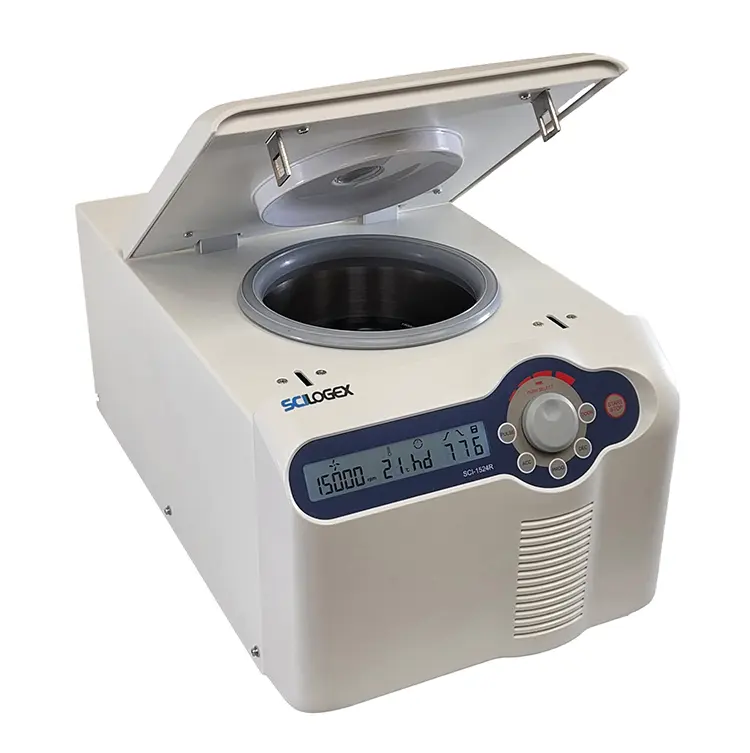
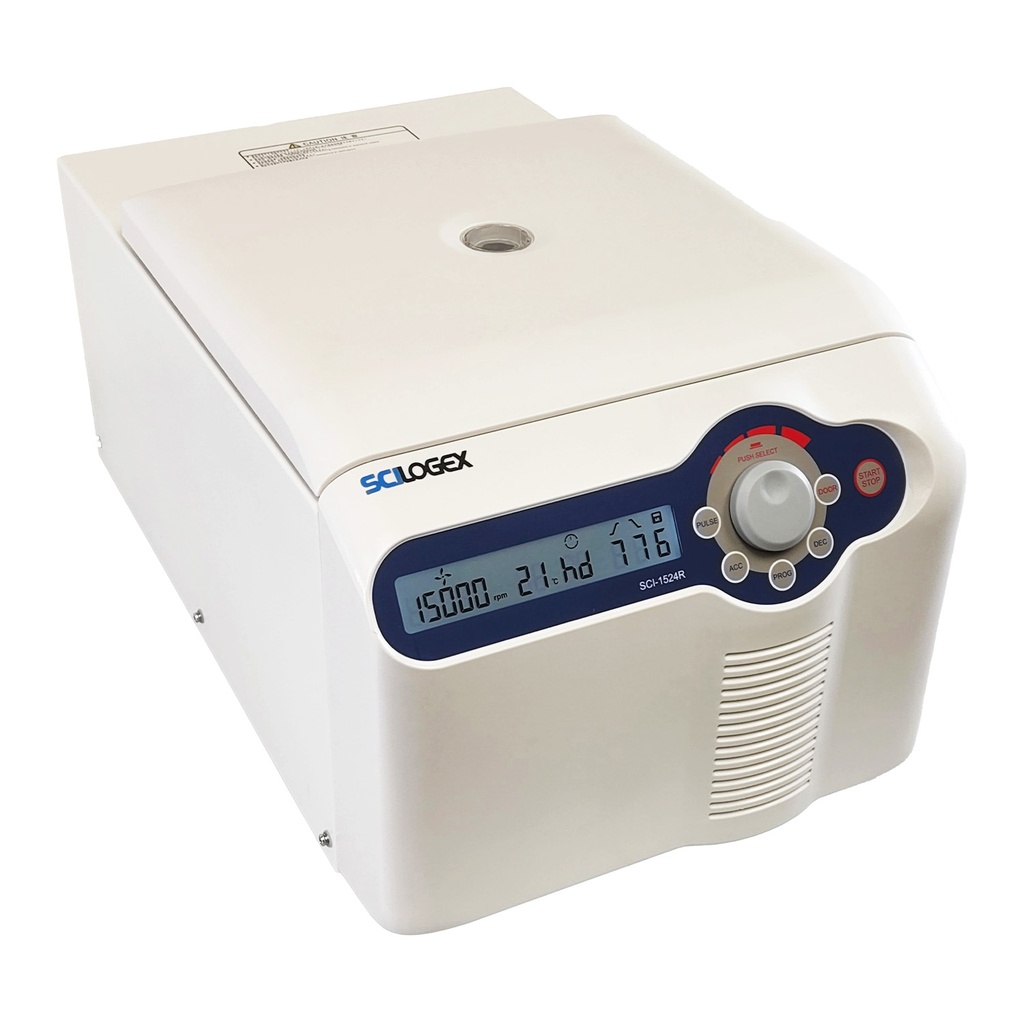
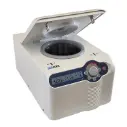
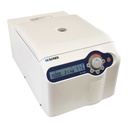
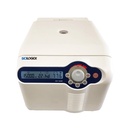
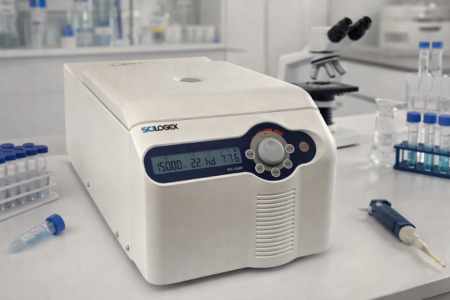
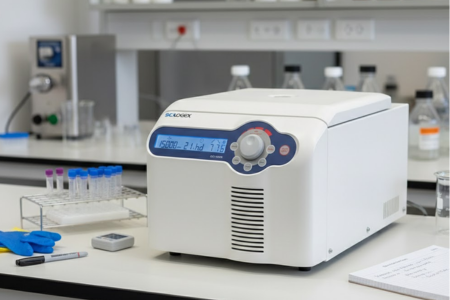
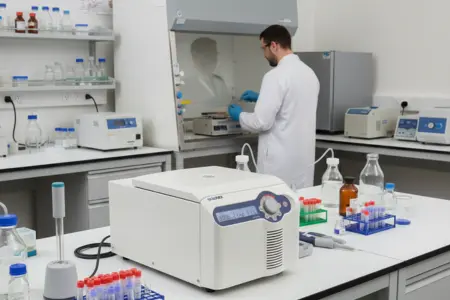
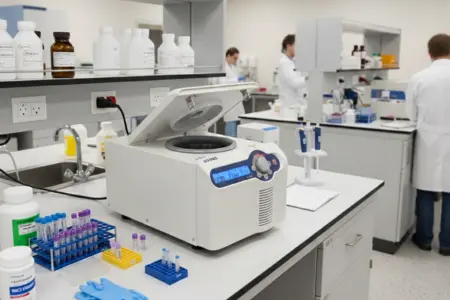
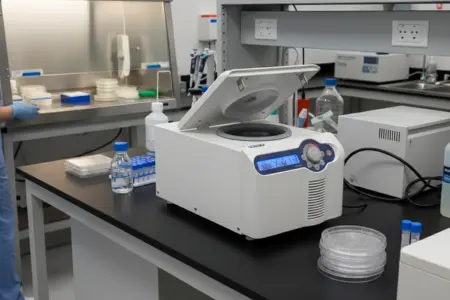
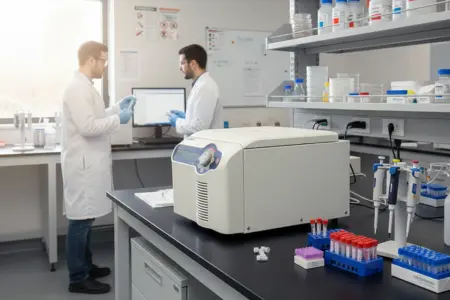
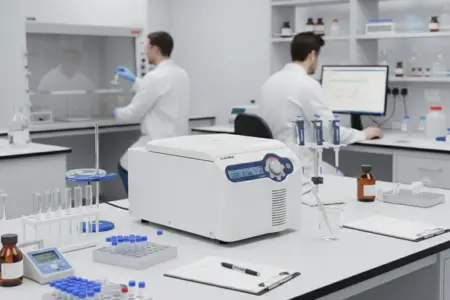
SCILOGEX SCI-1524R High Speed Refrigerated Micro-Centrifuge with 24 place 1.5/2.0mL rotor, 100-15000rpm

Cat. No.
901312112109
https://www.scilogex.com/web/image/product.template/1204/image_1920?unique=f05f1f8
SCILOGEX SCI-1524R High Speed Refrigerated Micro-Centrifuge with 24 x 1.5/2.0ml rotor, 110V, 50/60Hz, US Plug
ORDER NOW AND GET A FREE

Mini-Centrifuge when you purchase the Scilogex SCI-1524R High Speed Refrigerated Micro-Centrifuge.

5,400.00 5,400.00 In stock
In Stock 2 Year Warranty

0.00

Currently Out-of-Stock

This combination does not exist.

In Stock 2 Year Warranty


For more information please call +1 (860) 436-9221 or email us at [email protected]

Product Features 

  • FREE Ezee Mini-Centrifuge with purchase at checkout!
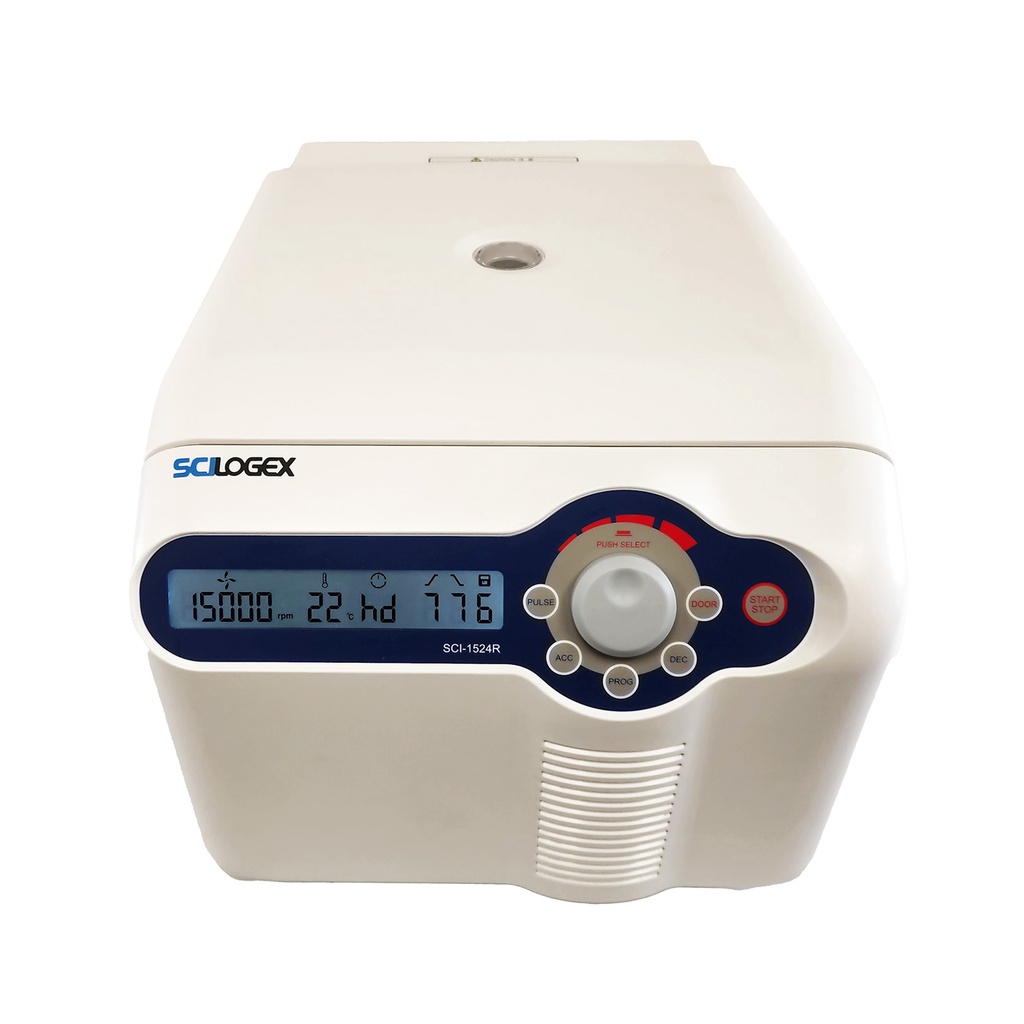
  • Large LCD display provides all visual information
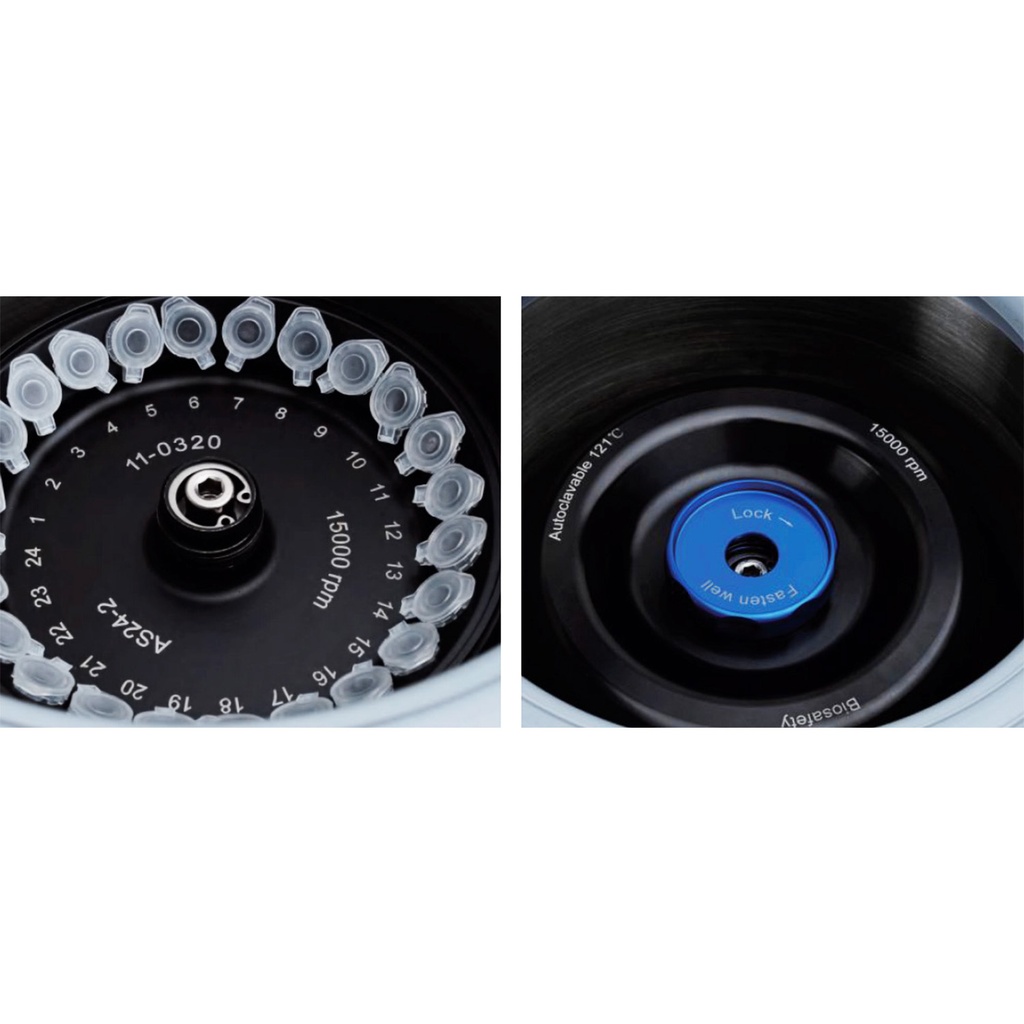
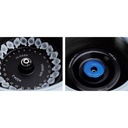
  • Bio-safe aluminum rotor/anti-sample overflow prevents accidental leakage during centrifugal process allowing risk-free microbial contamination
  • Comes with a 24 place rotor, 1.5/2.0mL tubes. Optional adapters for 0.2mL and 0.5mL tubes
  • Pre-cooling to desired temperature ensures optimal protection of the sample before warming
  • Guaranteed 2°C cooling within only 7 minutes of both chamber and samples even at maximum speed and capacity utilization 
  • Sound-alert allows your undivided attention on other tasks warming 
  • Quiet running, noise level ≤ 54dB 
  • Lid lock facility allows for internal temperature maintenance even after centrifugation 
  • Intermittent temperature control mode, CFC-free refrigerant and low carbon life rotor capacity 
  • Brushless motor drive, maintenance free
  • High quality aluminum alloy bio-containment rotors, safe and autoclavable for unlimited service life 
  • Special double cooling air design, reduces rotor heating
  • -20°C to 40°C temperature range
  • Powerful compressor and cooling system, fast cooling
  • Optional rotors below include a 4 x 8-tube PCR strip rotor
  • Pulse operation for quick spins
  • Interlock automatic door lock
  • Timer function 0-99mins
  • Over-temperature/speed detector
  • cTUVus approved for UL and CSA
  • 2 YEAR WARRANTY

The SCI-1524R Refrigerated Micro-Centrifuge is a compact and powerful high-speed centrifuge used in physical and chemistry analysis, biochemistry, cellular and molecular biology, clinical Labs and blood donation centers, and is ideal for high-end research applications.

  • Sedimentation of cells and viruses
  • Separation of sub-cellular organelles
  • Isolation of macromolecules such as DNA, RNA, proteins or lipids

The SCILOGEX SCI-1524R centrifuge is certified with CE, cTUVus and FCC. MCA test according to IEC/EN61010-2-20. Passed EN61010-2-101:2002 requirements for invitro diagnostic (IVD) medical equipment.

Product Specifications 

Max. Speed 15000rpm(200-15000rpm), increment:10rpm
Max. RCF 21380×g, increment:10×g
Speed accuracy ±20rpm
Temperature Range -20°C to 40°C
Rotor Capacity 5mL×12, 1.5mL/ 2.0mL×24, 0.5mL×36, PCR8×4
Run Time 30sec-99mins/continuous
Driving Motor Brushless DC motor
Safety Devices Door interlock, Over-speed detection, Over-temperature detection, Automatic internal diagnosis
Power Single-phase, AC220V-240V, 50Hz/60Hz, 10A, AC110V-120V, 50Hz/60Hz, 10A 400W
Acceleration/Braking time 25s↑ 25s↓
Dimension[WxDxH] 338×580×324mm
Weight 30kg
Certification CE cTÜVus FCC MCA
Advanced features Speed/RCF switch; Short-time run function; sound-alert function
Advanced features Speed/RCF switch;Short-time run function; sound-alert function

Comes with a 24 place rotor, 1.5/2.0mL tubes. Optional adapters for 0.2mL and 0.5mL tubes

Comparable to Globe GCM-R-24

Additional Resources and Information

Downloadable PDFs


SCILOGEX SCI-1524R Manual​


SCILOGEX SCI-1524R Brochure


Refrigerated microcentrifuge frequently asked questions

Product and purchasing questions

The centrifuge comes with a 24-place rotor for 1.5/2.0mL tubes, power cord, and user manual. Additional rotors for PCR strips, 0.5mL tubes, and 5mL tubes are available separately. Currently includes a free Ezee Mini-Centrifuge with purchase.

The Scilogex SCI-1524R is available in 110V (US) and 220V configurations. Make sure to select the correct voltage for your facility when ordering.

The Scilogex SCI-1524R comes with a 2-year warranty covering manufacturing defects and component failures under normal use conditions.

Yes. Optional adapters are available for 0.2mL and 0.5mL tubes in the standard rotor. Separate rotors are also available for specific tube sizes if you primarily work with those formats.

The SCI-1524R is priced at $5,400, which is roughly 50-60% less than comparable refrigerated microcentrifuge models from premium brands with similar specifications (15,000 RPM, -20°C capability, 24-place rotor).

Technical and application questions

The Scilogex SCI-1524R reaches 2°C within 7 minutes from room temperature, even at maximum speed and full rotor capacity. Pre-cooling before loading samples is recommended for temperature-sensitive work.  

Yes. The temperature range extends from -20°C to 40°C, allowing both refrigerated and elevated temperature protocols.  

Yes. The aluminum alloy bio-containment rotor is autoclavable for decontamination after working with hazardous materials.  

The bio-safe rotor design with anti-sample overflow features contains broken tube contents within the rotor, preventing contamination of the centrifuge chamber. After a tube breakage, stop the run, carefully remove the rotor, and clean/autoclave as appropriate for your sample type.  

The Scilogex SCI-1524R operates at ≤54 dB, which is comparable to normal conversation. You can work comfortably in the same room during operation.  

  Yes. An optional 4 x 8-tube PCR strip rotor is available for PCR applications.

Comparison questions

Non-refrigerated microcentrifuges lack active cooling, so heat generated during high-speed operation can warm your samples - problematic for temperature-sensitive proteins, enzymes, and nucleic acids. Refrigerated models maintain cold temperatures throughout the run, protecting sample integrity.  

The Scilogex SCI-1524R matches Eppendorf refrigerated microcentrifuge models on core specifications (speed, g-force, temperature range, cooling performance) at roughly half the price. Premium brands offer additional features like advanced programming and larger rotor libraries - features most labs don't use. For routine refrigerated microcentrifuge applications, the results are identical.  

The Scilogex SCI-1524R is affordable, not cheap. There's an important difference. Cheap equipment cuts corners on components and construction, leading to poor performance and short service life. Affordable equipment delivers reliable performance at reasonable prices by eliminating premium brand markups and unnecessary features. The Scilogex SCI-1524R uses the same quality components (brushless motor, robust cooling system, bio-safe rotors) as premium brands - you're just not paying for the brand name.  

If your protocols specify speed (RPM), g-force (RCF), temperature, and time - and the Scilogex SCI-1524R meets those specifications - your protocols will work identically. Centrifugation is physics, and the physics doesn't change based on equipment brand.  

  Refrigerated microcentrifuge basics

A refrigerated microcentrifuge is a compact, high-speed centrifuge with built-in cooling that spins small-volume samples (typically 0.2mL to 2.0mL tubes) at speeds up to 15,000-20,000 RPM while maintaining cold temperatures. The refrigeration system actively cools the rotor chamber to temperatures as low as -20°C, protecting temperature-sensitive biological samples like proteins, enzymes, and nucleic acids from heat degradation during high-speed centrifugation.

The main difference is sample volume and rotor size. A refrigerated microcentrifuge handles small tubes (microcentrifuge tubes, typically 0.2mL to 2.0mL) and operates at very high speeds (up to 15,000-20,000 RPM). A standard refrigerated centrifuge typically handles larger tubes (15mL, 50mL conical tubes, or larger) at lower maximum speeds. Both have active cooling systems, but microcentrifuges are designed for small-volume, high-speed applications common in molecular biology and biochemistry.

Microcentrifuges are used for any application requiring separation of small-volume samples by centrifugal force. Common uses include pelleting cells and bacteria, separating serum or plasma from blood, precipitating proteins or nucleic acids, clearing cell lysates, washing and pelleting beads or resins, quick spins to collect liquid at the bottom of tubes, and processing PCR reactions. The small rotor and high speeds make them ideal for molecular biology, biochemistry, and clinical laboratory work.

High-speed centrifugation generates heat through air friction and motor operation. This heat can denature proteins, degrade enzymes, damage RNA, and compromise temperature-sensitive samples. Refrigeration maintains cold temperatures (typically 4°C or lower) throughout the run, protecting sample integrity. For any work with proteins, enzymes, nucleic acids, or live cells, refrigerated centrifugation is often essential to preserve biological activity and prevent sample degradation.

RPM (revolutions per minute) measures how fast the rotor spins. RCF (relative centrifugal force), expressed as "x g," measures the actual force applied to your samples. RCF depends on both RPM and rotor radius - the same RPM produces different g-forces in different rotors. Scientific protocols typically specify RCF because it's the actual force that matters for separation, regardless of which centrifuge you use. The Scilogex SCI-1524R displays both RPM and RCF and lets you set either value directly.

Maximum RCF is the highest centrifugal force the centrifuge can generate, measured in multiples of gravitational force (x g). Higher RCF means faster and more complete separation of particles by density. The Scilogex SCI-1524R's maximum RCF of 21,380 x g is sufficient for most microcentrifuge applications, including pelleting bacteria, precipitating nucleic acids, and separating subcellular organelles. Some specialized applications (like pelleting viruses or very small particles) may require ultracentrifuges with much higher RCF.  

The appropriate temperature depends on your sample type and application. General guidelines: proteins and enzymes typically require 4°C to prevent denaturation; RNA work often uses 4°C or colder to minimize RNase activity; DNA is more stable and can tolerate room temperature for short spins; cell pelleting usually uses 4°C to maintain viability; some enzymatic reactions may require specific temperatures above or below ambient. Always follow your specific protocol requirements.

Centrifugation speed depends on what you're trying to pellet. General ranges: whole cells typically pellet at 300-500 x g; bacteria require 3,000-5,000 x g; mitochondria and large organelles need 10,000-15,000 x g; precipitated proteins and nucleic acids typically use 10,000-20,000 x g; microsomes and small vesicles may need higher forces. Always follow your protocol's specifications, as excessive speed can damage cells or compact pellets too tightly for resuspension.  

Fixed-angle rotors hold tubes at a constant angle (typically 45°) during centrifugation, causing particles to pellet against the tube wall and then slide to the bottom. They're standard for microcentrifuges and work well for most pelleting applications. Swinging-bucket rotors allow tubes to swing outward during spinning, creating pellets at the very bottom of the tube. Swinging buckets are better for density gradient separations but are less common in microcentrifuges. The Scilogex SCI-1524R uses fixed-angle rotors.

Yes, with appropriate precautions. The Scilogex SCI-1524R features bio-safe rotor design with anti-sample overflow containment to prevent aerosol release if a tube breaks. For BSL-2 or higher materials, use sealed rotor lids or aerosol-tight caps on individual tubes. The rotor is autoclavable for decontamination after working with biohazardous materials. Always follow your institution's biosafety protocols for centrifugation of infectious agents.  

Maintenance and operation questions

Minimal maintenance. The brushless motor requires no service. Regular cleaning of the rotor and chamber, periodic inspection of the door gasket, and ensuring proper ventilation around the unit are the main requirements.  

Remove the rotor and wipe down the chamber with appropriate cleaning solution for your sample type. The rotor can be autoclaved after contamination with hazardous materials. Avoid harsh chemicals that could damage the chamber lining.  

The Scilogex SCI-1524R is certified CE, cTUVus (for UL and CSA), FCC, and MCA (IEC/EN61010-2-20). It also meets EN61010-2-101:2002 requirements for in vitro diagnostic (IVD) medical equipment.  

The automatic internal diagnosis system monitors for common issues. Consult the user manual for specific error codes. Common issues include door not fully closed, rotor not properly seated, or temperature sensor issues. Contact Scilogex support if problems persist. 


Product Accessories


Your Dynamic Snippet will be displayed here... This message is displayed because you did not provide both a filter and a template to use.
View our 2025 Product Catalog

Get our complete and latest product portfolio for free.

View Scilogex Catalog Now

Earn Rewards

Enjoy exclusive deals & discounts on our lab equipment & supplies.

Start Earning Points​​​

Download Scilogex Literature

Find a collection of product manuals and brochure PDFs available for download.

Browse Here